How to Spend Less on Groceries (Without Suffering)
How to Spend Less on Groceries (Without Suffering)
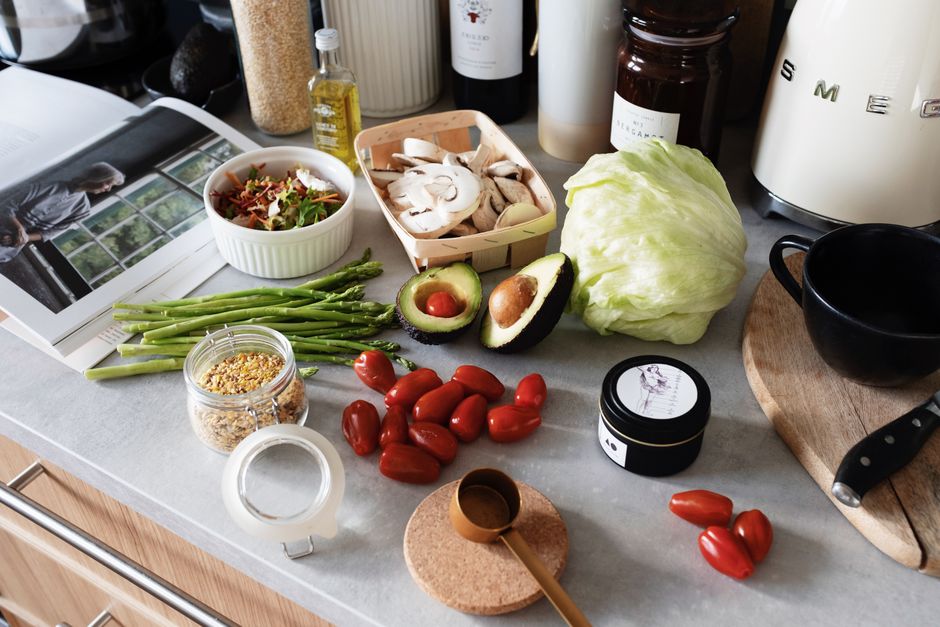
Photo by ready made on Pexels
If your grocery bill has been quietly ballooning and you're not sure where the money goes — welcome to the club. The average American household now spends around $940 a month on groceries, according to a recent survey cited by the USDA. That's over $11,000 a year, just to eat at home.
The good news? You don't need to clip coupons for three hours or eat ramen every night. You just need a handful of smarter habits. Here's exactly how to spend less on groceries — without making dinnertime miserable.
1. Know Your Actual Number First
Before you can cut your grocery bill, you need to know what you're actually spending. This sounds obvious, but most people genuinely have no idea. They guess $300, check their bank statement, and find out it's $520. That gap is where your savings are hiding.
Pull up your last two months of bank or credit card statements and add up every grocery store charge. Don't forget the "quick stops" at Target or Walgreens — those count too.
Once you have your number, compare it to the USDA benchmarks. For a single adult, the USDA thrifty food plan runs about $247–$315 per month. The moderate plan (closer to average American spending) is $328–$388/month depending on age and gender. For a family of four, the thrifty plan is around $1,000/month and the moderate plan runs about $1,250–$1,400/month.
If you're spending 20–30% above the moderate benchmark for your household size, there's real money to recover. That's your target.
2. Plan Your Meals Before You Shop (Seriously, This One Is Big)
Meal planning is the single highest-impact thing you can do to spend less on groceries. A survey of 2,568 meal planners found they reduced food costs by $47 per person per month — that's $564 a year for one person, just from deciding what to eat before you go shopping.
The reason it works is simple: when you shop with a list tied to specific meals, you only buy what you'll actually use. No more random impulse buys that sit in the fridge and slowly become science experiments.
Here's a simple system that works:
- On Sunday, pick 4–5 dinners for the week
- Check what you already have in the fridge and pantry
- Write your list around what's missing — nothing else
- Stick to the list at the store (more on that in a minute)
If meal planning feels like a chore, start with just dinner. Breakfast and lunch can repeat — oatmeal and sandwiches don't need a spreadsheet. Our week-by-week grocery savings plan for 2026 breaks this down in detail if you want a step-by-step starting point.
3. Don't Shop Hungry — and Don't Shop Without a List
This sounds like common sense, but I'm guilty of ignoring it constantly. You walk in to grab "a few things," you're running on empty, and suddenly that artisan cheese and the fancy pasta sauce are in your cart because everything looked amazing. Forty-five minutes later you're at the register wondering how it got to $180.
Grocery stores are designed to get you to spend more. Essentials are at the back. Eye-level shelves carry the highest-margin products. The bakery smell hits you at the entrance on purpose. Knowing this doesn't make you immune, but shopping after eating and having a list gives you a fighting chance.
One rule that helps: never browse the "fun" aisles when you don't have something specific to buy there. Snack aisle, specialty foods, seasonal displays — walk past if it's not on your list.
4. Switch to Store Brands on the Right Things
Store brands cost anywhere from 5% to 72% less than name brands, according to Consumer Reports — and most taste just as good. The trick is knowing where it matters and where it doesn't.
Store brands are almost always a win on: pantry staples (flour, sugar, oats, canned beans), frozen vegetables, dairy (milk, butter, sour cream), pasta and rice, cooking oils, and over-the-counter medications.
The places where people tend to stick with name brands — spices, specialty sauces, certain snacks — are honestly often personal preference. Try the store brand once. If it's fine, you've found a permanent swap. If it's not, you're only out $2.
We did a full comparison of store brands vs. name brands across 20 product categories — check out Store Brand vs Name Brand: 20 Products Where Cheap Wins for the full breakdown.
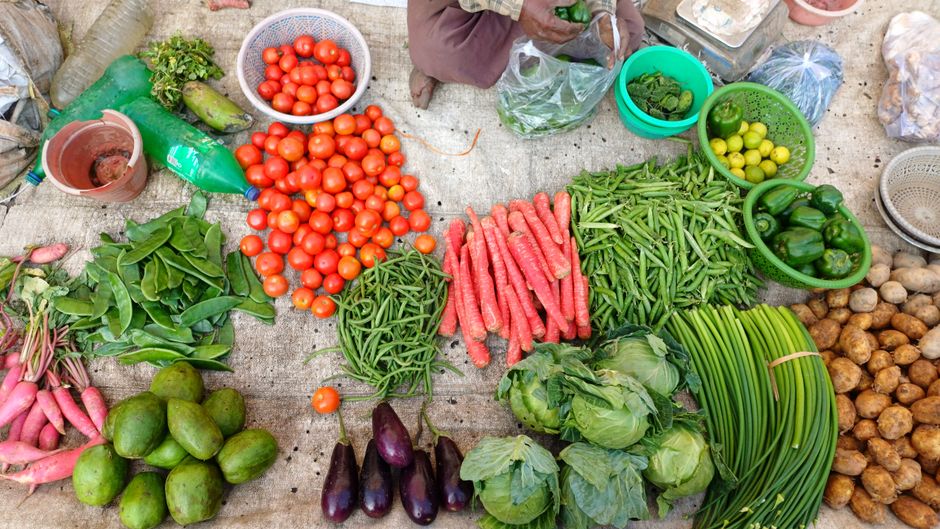
Photo by Sanjib Harijan on Pexels
5. Build Meals Around What's on Sale
Most people plan their meals first, then look at sales. Flip it. Check the weekly store circular before you plan, and build your dinners around what's actually discounted that week.
If chicken thighs are on sale, chicken goes in three meals this week. If a big bag of sweet potatoes is marked down, sweet potatoes appear as a side dish several nights in a row. This is how people who are genuinely good at saving on groceries actually think.
Most grocery stores post their weekly sales online or in their apps. You can check before leaving the house, which saves you from being tempted by in-store displays. If you want to automate this further, check out our roundup of the best grocery store apps that actually save you money in 2026 — some of them will notify you when your favorite items go on sale.
6. Cut Food Waste — It's Costing You More Than You Think
Food waste is the sneakiest budget leak. The USDA estimates the average American wastes between 30–40% of the food supply, and at the household level that typically translates to tossing out about $1,500 worth of food per year. That's a car payment.
Some practical moves to cut waste dramatically:
- Do a "use it up" meal once a week — cook whatever is about to go bad, no recipe required
- Store produce correctly — most people don't, and it dies faster than it needs to
- Freeze things before they go bad — bread, bananas, leftover cooked rice, meat about to expire
- Buy smaller quantities more often if you live alone or in a small household — bulk buying only saves money if you actually eat it
- Keep a "eat me first" section in your fridge — leftovers and things expiring soon go front and center
Meal prep also cuts waste significantly by turning loose ingredients into ready-to-eat portions. Even a little planning goes a long way. If you're new to this, our cheap meal prep ideas under $5 per serving are a great place to start — practical ideas that don't require you to spend your entire Sunday in the kitchen.
7. Rethink Where You Shop
Where you shop has a massive impact on your bill. Shopping at Whole Foods versus Aldi for the same grocery list can easily result in a 30–40% difference. You don't have to abandon your preferred store entirely, but being strategic about where you buy what can add up fast.
A few approaches that work:
- Buy staples (rice, pasta, flour, canned goods, cleaning products) at Walmart, Aldi, or Costco — these are almost always cheaper than your regular grocery store
- Buy fresh produce at ethnic grocery stores or farmers markets — often significantly cheaper and fresher than chain supermarkets
- Do the specialty or organic items at your preferred store — save the premium shops for the things that actually matter to you
Splitting your shopping between two stores does take more time, so be honest about whether that trade-off makes sense for you. Even just switching your bulk staples to a discount store can save $30–$50 a month without any other changes.
8. Use Cashback Apps — The Easy Passive Win
Cashback apps won't change your life, but they're easy, they're free, and they stack on top of everything else you're already doing. Apps like Ibotta let you earn cash back on specific grocery items just by snapping a photo of your receipt or linking your store loyalty account.
You're not going to retire on it, but $15–$30 a month in cashback for things you were buying anyway is genuinely free money. Worth the five minutes it takes to set up.
Pair cashback apps with your store's loyalty card and you've got multiple layers of savings working simultaneously — without clipping a single physical coupon. If you want a full roundup of what's worth downloading, check out our guide to saving money on groceries without coupons for specific app recommendations and strategies that don't require extreme couponing.
9. Eat Fewer "Expensive Protein" Nights
Protein is almost always the most expensive part of a meal. Beef prices were still 15% higher in January 2026 than a year before, according to USDA data. If you're eating steak or ground beef multiple nights a week, that's a big chunk of your grocery bill right there.
This doesn't mean go vegetarian (unless you want to). It means rebalancing:
- Swap beef for chicken thighs 2–3 nights a week — dramatically cheaper, just as satisfying
- Do 1–2 "plant protein" nights a week: lentil soup, black bean tacos, chickpea curry — these cost almost nothing and actually taste great
- Stretch expensive proteins further — a pound of ground beef goes a lot farther in a pasta sauce or taco filling than as burgers
- Eggs are your best friend — cheap, versatile, and legitimately good nutrition
10. Set a Budget and Bring the Right Amount of Cash
If you really want to force discipline at the store, bring cash. It sounds old-fashioned, but it works. When you can physically see that you only have $120 left in your wallet, you make very different decisions at the shelf.
The act of setting a number before you shop — and committing to it — is the real habit change. Whether you use cash or just check your mental tally as you go, having a target makes you more intentional about what lands in the cart.
Financial advisors generally suggest keeping all food spending (groceries plus dining out) to 10–15% of your net monthly income. If your take-home is $4,000/month, that's a $400–600 total food budget. If you're over that, the tips in this article are your roadmap back.
Small Habits, Real Money Back in Your Pocket
You don't need to overhaul your entire life to spend less on groceries. Pick two or three of these strategies, do them consistently for a month, and see what happens to your bill. The results tend to be surprisingly fast.
And remember: the goal isn't to eat worse or feel deprived. It's to stop paying for food you don't eat, convenience you don't actually need, and brand names that taste exactly the same as the cheaper version sitting right next to them.
Your grocery bill has been winning for long enough. Time to take it back.
Written by David Carter | savemoneysimple.com
Enjoyed this article?
Get practical money-saving tips delivered to your inbox — no spam, no fluff.


Comments
Post a Comment