How to Save Money on Groceries Without Coupons
How to Save Money on Groceries Without Coupons
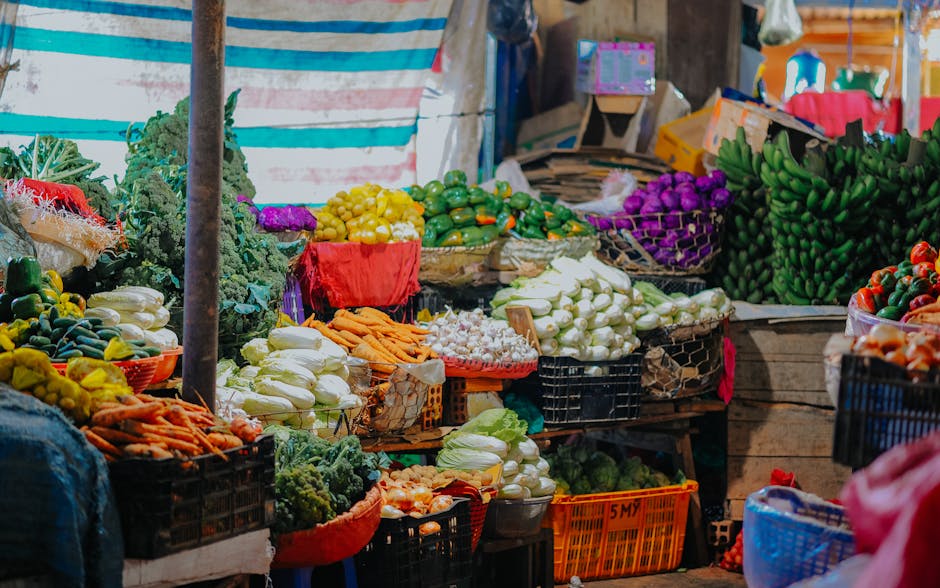
Photo by Min An on Pexels
The average American household now spends around $500 a month on groceries — and that number has climbed nearly 25% since 2020. If your cart feels more expensive every time you check out, you're not imagining it. The good news? You don't need to clip a single coupon to fix it.
These strategies are simple, repeatable, and actually work. No coupon apps. No extreme couponing binder. Just smarter habits that trim $100 or more off your monthly grocery bill.
1. Meal Plan Before You Shop
This one move alone can save you $50–$100 a month. When you walk into a grocery store without a plan, you're basically handing the store a blank check. You grab things that "look useful," forget what you already have at home, and then order takeout on Thursday anyway because the fridge full of random ingredients doesn't come together into an actual meal.
Meal planning flips the script. You decide what you're eating for the week, write a focused list, and buy only what you actually need. Research from Wharton found that 60–70% of supermarket purchases are completely unplanned. A written plan cuts that dramatically.
Here's the simplest way to start: every Sunday, write down 5 dinners for the week. Build your grocery list from those 5 meals. That's it. You don't need a color-coded spreadsheet. A sticky note works fine.
2. Shop With a List — And Actually Stick to It
A grocery list only works if you use it. Sounds obvious, right? But most people who bring a list still end up tossing in extras. A Capital One Shopping study found that impulse buys account for up to 62% of grocery sales revenue. Translation: the store is designed to make you deviate from your list.
A few tricks that help: organize your list by store section (produce, dairy, frozen, etc.) so you move through the store efficiently without backtracking through tempting aisles. Shop online for pickup if your store offers it — you skip the "oh this looks good" moment entirely, and it's easy to see your running total before you check out.
Also: never shop hungry. This is the oldest advice in the book because it genuinely works. A hungry you will find a reason to need every snack in the store.
3. Switch to Store Brands on the Basics
Store brands (also called generic or private-label) save shoppers an average of 25–30% per item compared to name brands, according to the Private Label Manufacturers Association. For a family of four spending $1,000 a month, that's potentially $250–$300 back in your pocket — every single month.
And here's the thing most people don't know: a lot of store-brand products are made by the exact same manufacturers as the name brands. Same factory, same ingredients, different label. You're just not paying for the marketing.
Best items to swap first: pantry staples (flour, sugar, rice, pasta, canned beans), dairy (butter, shredded cheese, yogurt), frozen vegetables, cooking oils, and cereal. Items where store brands may disappoint: things where a specific recipe flavor matters, like a signature hot sauce or artisan bread you actually love.

Photo by Novkov Visuals on Pexels
4. Buy in Bulk — But Only the Right Things
Buying in bulk saves money on a per-unit basis. Warehouse stores like Costco or Sam's Club are great for this. But bulk buying only saves money if you actually use everything before it goes bad. (We've all bought a 5-pound bag of spinach with the best intentions.)
Stick to bulk buying for non-perishables and items with long shelf lives: dried pasta, rice, canned goods, cooking oil, nuts, frozen proteins, toilet paper, and dish soap. These items don't spoil, so you're purely gaining savings.
Fresh produce in bulk makes sense only if you have a plan to use it — or you can freeze it. Berries, bananas, and leafy greens bought in giant quantities without a plan end up in the trash. Wasted food is wasted money, plain and simple.
5. Build Meals Around What's Cheap, Not What's Trendy
Grocery stores don't price things based on nutrition. They price things based on demand. That's why a bag of dried lentils costs $1.50 and a pack of beef costs $12. Both are protein. One costs eight times more.
Some of the most affordable foods you can build meals around: eggs, canned beans, lentils, rice, oats, cabbage, carrots, canned tomatoes, frozen peas and corn, and whole chicken (much cheaper per pound than boneless breasts). These aren't "sad budget foods" — with decent seasoning and a simple recipe, they're genuinely delicious.
Also look at what's in season. Produce that's in season locally is always cheaper than produce that's been shipped from halfway across the world. Strawberries in December are expensive. Strawberries in June are not.
6. Check Your Pantry Before You Shop
This takes two minutes and it saves real money. Open your fridge, freezer, and pantry before you make your shopping list. You will almost certainly find things you forgot you had. That half-box of pasta. Those two cans of chickpeas. The frozen chicken thighs from three weeks ago.
The average American household throws away nearly $1,500 worth of food every year, according to various estimates. A lot of that is food bought with good intentions and then forgotten in the back of the fridge. A quick pantry check before you shop helps you use what you already paid for — and buy less at the store.
Try a "pantry challenge" once a month: cook as many meals as possible from what you already have. It clears out the clutter, prevents waste, and can save you $50–$100 in a single week.
7. Pick One Budget-Friendly Store and Stick With It
Discount grocery stores — think Aldi, Lidl, WinCo, or Market Basket — price their products significantly lower than traditional supermarkets. Aldi in particular is famous for prices that are 30–40% lower on many items, partly because they carry mostly store-brand products and keep overhead low.
Some people try to save money by driving to multiple stores to chase different deals. This is often not worth it when you factor in gas, time, and the extra impulse buying that happens at every stop. Pick one good low-cost store as your main grocery spot and do most of your shopping there. Your wallet (and your Saturday morning) will thank you.
Quick Summary: Your No-Coupon Grocery Savings Plan
| Strategy | Estimated Monthly Savings |
|---|---|
| Meal plan weekly | $50–$100 |
| Stick to a grocery list | $30–$60 |
| Switch to store brands | $50–$150 (for families) |
| Buy non-perishables in bulk | $20–$50 |
| Cook budget-friendly ingredients | $40–$80 |
| Pantry check before shopping | $20–$50 |
| Shop at a discount store | $60–$150 |
Estimates based on USDA grocery cost data and independent savings research. Your actual savings will depend on household size, location, and current habits.
The Bottom Line
You don't need to become a coupon ninja to spend less at the grocery store. Most of the savings come from basic habits: plan your meals, use a list, swap a few brand names, and shop somewhere affordable. Do all seven things on this list consistently, and you could realistically cut $100–$300 off your monthly grocery bill.
Grocery prices aren't going back down. But your habits can absolutely go up — and save money on groceries without coupons while you do it.
Start with just one strategy this week. The pantry check is free. The list costs nothing. Pick one and see how much you save before your next shopping trip. Spoiler: you'll probably be a little annoyed at how simple it was.
Written by David Carter | savemoneysimple.com
Enjoyed this article?
Get practical money-saving tips delivered to your inbox — no spam, no fluff.


Comments
Post a Comment