Store Brand vs Name Brand: 20 Products Where Cheap Wins
Store Brand vs Name Brand: 20 Products Where Cheap Wins

Photo by Gustavo Fring on Pexels
You're spending anywhere from 25% to 40% more on a lot of groceries for absolutely no reason. That's not a guess — that's the average markup you pay just to have a familiar logo on the package. Across a full cart of groceries, that gap adds up to over $40 billion wasted by American shoppers every single year.
Now, I'm not going to tell you to go generic on everything — because that's not how this works. Some name brands genuinely earn their price. But a lot of them don't. Here are 20 specific products where the store brand is just as good, and the price difference will make you feel like you've been getting robbed for years.
🛒 Pantry Staples: Stop Paying for the Label
1. All-Purpose Flour
Gold Medal flour runs about $0.46 per pound. Walmart's Great Value version? Around $0.30 per pound — a 35% savings. Flour is flour. It doesn't know which bag it came in. Chefs buy generic baking ingredients at much higher rates than the general public, according to a National Public Radio poll, and that's not a coincidence.
2. Sugar
Domino pure cane sugar is around $0.57 per pound, while Great Value comes in at about $0.49 per pound. You're baking cookies, not entering a sugar-tasting contest.
3. Cooking Oil
A gallon of Crisco canola oil costs around $7.88. A gallon of Great Value? About $4.86 — roughly 38% cheaper. The smoke point, the taste, the nutrition: virtually identical.
4. White Vinegar
A quart of Heinz white vinegar costs about $1.74. A gallon of store-brand vinegar at Walmart? Around $0.80. That's not a typo. Buy the big jug and use it for cooking, cleaning, and basically everything else in life.
5. Baking Soda
Arm & Hammer is $0.78 per pound. Great Value is $0.56 per pound. Baking soda is literally a chemical compound — sodium bicarbonate. There is no premium version of a chemical.
6. Canned Vegetables & Beans
Store-brand canned tomatoes, corn, black beans, chickpeas — these almost always have the same ingredients as name brands. A store manager at a major grocery chain confirmed what shoppers have long suspected: most in-house brands are produced by nationally known manufacturers. Same product, different label.
7. Spices
McCormick garlic powder: $3–4 for a small jar. Store brand: $1–1.50 for the same size. Spices are essentially the same product regardless of who packages them. The markup on name-brand spices is wild — this is one of the easiest swaps you can make.
8. Pasta
Store-brand spaghetti and penne taste the same as Barilla when cooked properly. The texture difference some people claim to notice? Usually it's the cooking time, not the pasta itself. Save $0.50–$1 per box, every single week.
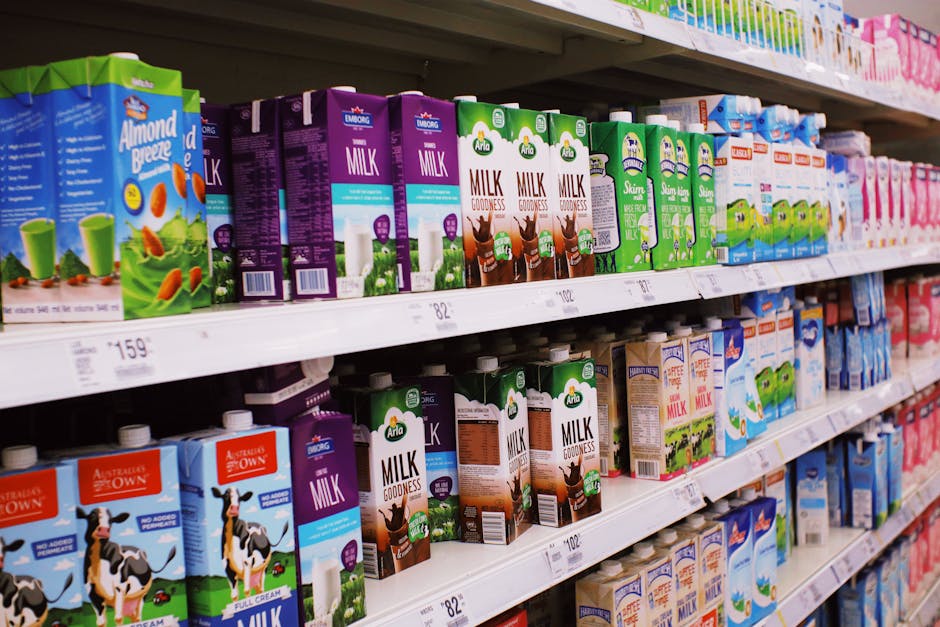
Photo by Nothing Ahead on Pexels
🍦 Food Items That Pass the Taste Test
9. Frozen Vegetables & Fruit
All frozen produce is flash-frozen at peak ripeness. The nutrition and quality are the same no matter the brand. Generic frozen produce runs about 30% less than name-brand options. Brand-name Goya Frozen Whole Strawberries (16 oz): around $4.69. Store brand equivalent: typically $2.99–3.29. No difference in taste or nutrition.
10. Cereal
Honey Nut Cheerios: around $4.98. Store-brand equivalent: $2.87. That's nearly $2 saved per box, and from what I can tell in blind taste tests, most people can't tell the difference once it's sitting in a bowl with milk. The little honey-nut oat circles taste the same.
11. Peanut Butter
Name-brand Jif: about $3.06 at Walmart. Great Value peanut butter: around $2.99 (though at some chains the gap is even wider — $0.92 difference in some comparisons). Consumer Reports found store-brand peanut butter matched national brands in blind taste tests. Creamy, salty, holds together in sandwiches — does anything else really matter?
12. Sandwich Cookies
Great Value Fudge Mint cookies vs. Keebler Grasshopper cookies — same taste, significantly different price. In one comparison, the store-brand cookie cost considerably less for the same 10-oz package. Oreos at around $5.79 vs. store-brand chocolate sandwich cookies at $3.79. That's $2 saved per package on something that gets dunked in milk anyway.
13. Milk
Store-brand milk often comes from the same dairy as name brands. If you're not buying organic for a specific reason, the store brand is indistinguishable — and frequently $0.30–0.60 cheaper per gallon. On weekly grocery runs, that adds up fast.
💊 Pharmacy & Household: The Easiest Wins
14. Over-the-Counter Pain Relievers
This one is a no-brainer — literally written into FDA regulations. Generic ibuprofen, acetaminophen, and aspirin must contain the exact same active ingredient as the name brand to earn FDA certification. Walmart store-brand pain relief (200 capsules): $3.94. Name-brand Tylenol (225 caplets): $19.97. Same active ingredient. Nearly $16 in savings. There is zero medical reason to buy the name brand.
15. Antacids
Generic omeprazole, Tums equivalents, and antacid tablets all use the same active ingredients as Prilosec, Tums, and Pepcid. The FDA requires it. Store-brand antacids are typically 40–60% cheaper. Stop giving Pfizer a raise.
16. Batteries
Kirkland Signature batteries (Costco's store brand) are a legendary example: Duracell confirmed back in 2016 that they manufacture Kirkland batteries, and consumer tests have consistently shown they perform at the same level as the name brand. You're buying the same battery for less. If you have a Costco membership, the Kirkland AA pack is one of the smartest buys in the store.
17. Aluminum Foil & Plastic Wrap
Reynolds Wrap vs. store-brand foil: you're wrapping leftover chicken, not archiving precious metals. Store-brand foil and plastic wrap do the same job for considerably less. This is one of those items where people stay loyal to name brands purely out of habit.
18. Dish Soap
At Walmart, store-brand dish soap and name-brand Ivory were both priced at $5.97 in one comparison — meaning there was literally no price difference. But at other chains, the store brand is often $1–2 cheaper. Check the unit price per ounce. The cleaning power is comparable for everyday use.
19. Trash Bags
Hefty, Glad — both fine bags, both cost more. Store-brand garbage bags hold garbage just as well. I'm personally guilty of buying name-brand trash bags for years because I thought the generic ones would rip. They don't. They hold exactly the same amount of garbage, because garbage doesn't care about brand loyalty.
20. Paper Towels
Okay — this one has a nuance. Bounty really does absorb more per sheet in head-to-head tests. But if you're using store-brand paper towels for general wiping, spills, and everyday messes, you won't notice enough of a difference to justify the 30–40% price premium. Where you might want to stick with Bounty: big spills and kitchen messes where thickness matters.
📊 Quick Price Comparison Table
Here's a snapshot of the savings across some key items (prices sourced from Walmart Great Value vs. name brand, approximate):
| Product | Name Brand | Store Brand | Savings |
|---|---|---|---|
| All-purpose flour (per lb) | $0.46 | $0.30 | ~35% |
| Canola oil (1 gallon) | $7.88 | $4.86 | ~38% |
| Frozen strawberries (16 oz) | $4.69 | ~$3.09 | ~30% |
| Honey Nut Cheerios cereal | $4.98 | $2.87 | ~42% |
| Sandwich cookies | $5.79 | $3.79 | ~35% |
| Pain relief (200 caps) | $19.97 | $3.94 | ~80% |
When You Should Stick With the Name Brand
To be fair, generic doesn't always win. Here are the categories where name brands often earn their price:
One smart rule: compare unit prices, not sticker prices. Most stores display price per ounce on the shelf tag. Always check it — sometimes a "sale" name brand is actually cheaper per unit than the store brand. Coupons can tip the math too, especially if you're stacking a sale with a coupon on a name-brand item you already buy.
The Bottom Line
American shoppers collectively save over $40 billion a year by choosing store brands over name brands. That's billion with a B. The people making those choices aren't settling for less — in most cases, they're buying the same product that came out of the same factory, just with simpler packaging and no Super Bowl commercials.
The 20 items in this list alone could save you $50–$100 a month depending on your household size. Start with the ones you buy most often, do your own taste test, and keep the name brands you genuinely prefer. You don't have to go full generic — you just have to stop paying for a logo.
The funniest part? The name-brand peanut butter still uses the same grinders. The only difference is which jar gets the cartoon mascot on it.
Written by David Carter | savemoneysimple.com
Enjoyed this article?
Get practical money-saving tips delivered to your inbox — no spam, no fluff.


Comments
Post a Comment