
Photo by Magda Ehlers on Pexels
A thrift store is basically a treasure hunt where the entrance fee is zero and the jackpot is a $4 blazer that retails for $80. But if you walk in with no plan, you’ll leave with a dusty candle holder you don’t need and a mild sense of defeat.
The secret is knowing what to look for. Some categories are absolute gold at thrift stores. Others are a waste of your time and a potential health hazard. Here’s the breakdown.
Why Thrifting Is Worth Your Time
Let’s start with the numbers, because they’re wild. The average American household spends around $1,800 a year on clothing alone. Thrift stores — particularly Goodwill, Salvation Army, and local consignment shops — sell name-brand items for 70–90% off retail. That’s not a sale. That’s a completely different game.
And it’s not just clothes. Furniture, kitchen gear, books, sports equipment — thrift stores carry all of it. The trick is knowing which categories consistently deliver and which ones you should breeze right past.
From what I’ve seen, the biggest mistake new thrifters make is shopping randomly. They grab anything that looks okay. The experienced thrifters? They go straight to specific sections with specific things in mind. Let’s build that list for you.
The Best Things to Buy at Thrift Stores
1. Brand-Name Clothing (Especially Workwear)
This is the big one. Thrift stores are packed with clothing donations from people who cleaned out their closets — and a lot of that stuff still has the tags on. You can regularly find brands like J.Crew, Banana Republic, Levi’s, and even the occasional Patagonia or Lululemon piece for under $10.
Workwear is especially undervalued at thrift stores. Blazers, dress shirts, chinos, and wool coats hold up well over time, so secondhand versions often look nearly new. A good blazer at Goodwill typically runs $5–$12. The same blazer at Banana Republic? Easily $100+.
If you’re building a budget wardrobe, thrifting is one of the most powerful tools you have — especially when combined with our guide to building a capsule wardrobe on a budget.
2. Furniture (Solid Wood Especially)
Modern flat-pack furniture from big-box stores is designed to last about five years before it wobbles itself apart. Vintage and secondhand solid wood furniture? That stuff is built like a tank and costs a fraction of new.
Dressers, bookshelves, coffee tables, dining chairs — all great thrift store finds. A solid wood dresser that would run $300–$400 new can be found at a thrift store for $30–$80. Add a $15 can of chalk paint and you’ve got a one-of-a-kind piece that looks better than anything from a furniture chain.
What to avoid in the furniture section: anything upholstered (couches, armchairs) unless you can inspect it thoroughly for stains, mold, or the dreaded bed bug situation. Stick to hard-surface pieces when you’re starting out.
3. Kitchen Gear and Cookware
The kitchen section of a thrift store is genuinely underrated. People donate perfectly good pots, pans, mixing bowls, and baking dishes all the time — usually because they upgraded or moved and couldn’t be bothered to sell.
Cast iron skillets are the holy grail here. A pre-seasoned Lodge cast iron skillet retails for $25–$50 new. At thrift stores, they often show up for $4–$10 — and cast iron only gets better with age and use. Same goes for Dutch ovens, Le Creuset pieces (rare but they show up!), and quality baking sheets.
4. Books
If you’re a reader, a thrift store is a paradise. Most thrift stores price paperbacks at $0.50–$1 and hardcovers at $1–$3. Compare that to Amazon or a bookstore and you’re talking about 90% savings.
Cookbooks are especially undervalued here — people buy them, make two recipes, and donate them. Personal finance books, classic fiction, and reference books are also plentiful. The selection changes constantly, so frequent visits pay off.
5. Sports and Fitness Equipment
January gym membership regret has a silver lining: it fills thrift stores with barely-used dumbbells, yoga mats, resistance bands, and exercise equipment every February. Weights especially are worth looking for — they’re sold by pound at retail stores and can be expensive. Secondhand dumbbells often show up for $1–$3 per pound compared to $2–$3+ new.
Golf clubs, tennis rackets, bikes, and ski gear are also common at larger thrift stores. If you’re trying out a new sport, buying secondhand gear first is a very smart move before you invest $200+ in equipment for something you might hate.
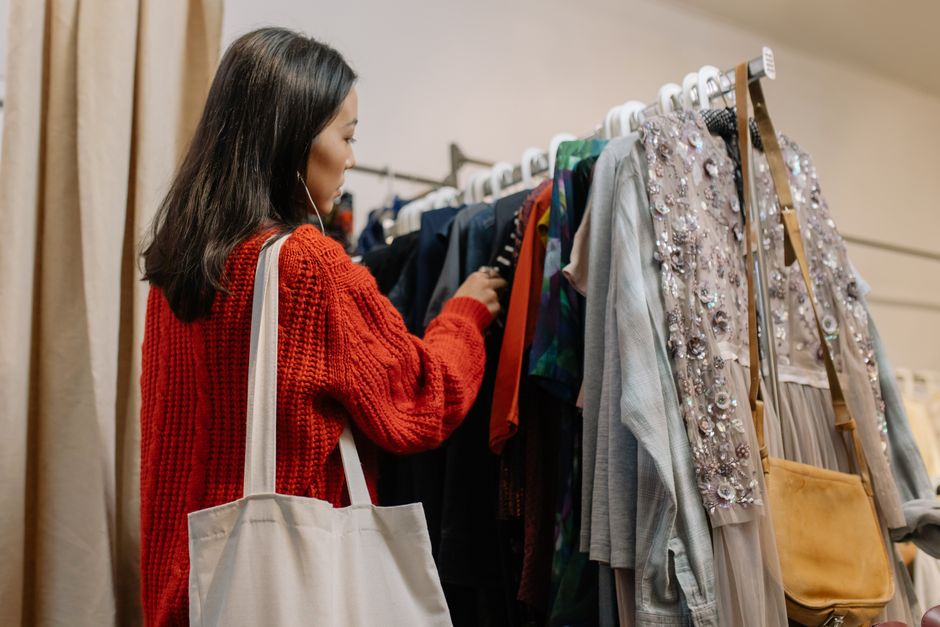
Photo by cottonbro studio on Pexels
6. Picture Frames and Home Décor
Picture frames are one of those items that are absurdly overpriced new. A single 8×10 frame at a craft store can run $15–$30. At a thrift store, you’ll find the same sizes — often solid wood or metal — for $1–$5.
Home décor in general is worth browsing: vases, lamps, candle holders, mirrors, and decorative trays show up constantly. The trick is to have a clear vision of your home’s style before you go, otherwise you’ll start buying things that don’t go together and your living room ends up looking like a very confused estate sale.
7. Board Games and Puzzles
Board games retail for $20–$60+, but show up at thrift stores for $2–$8. The only catch: check that all the pieces are there before you buy. Most stores let you open the box and check. Games like Scrabble, Monopoly, Clue, and Trivial Pursuit are almost always complete because the pieces are large and easy to track.
Puzzles are trickier — missing pieces are a real problem. Buy them only if the box is sealed or if the store guarantees completeness.
8. Musical Instruments
Acoustic guitars, ukuleles, and keyboards show up in thrift stores pretty regularly — usually from parents who bought them for kids who quit after three lessons. These can be excellent deals, but do your homework first. Search the brand and model on your phone before you buy to make sure you’re getting a fair price. A thrift store doesn’t always know what they have.
What to Skip at Thrift Stores
Not everything at a thrift store is a deal. Some things are cheap for a reason. Here’s what to walk past:
- Upholstered furniture — Bed bugs and mold are not worth the risk unless you can inspect it very carefully.
- Electronics — No return policy + unknown history = potential money pit. Stick to simple items you can test in-store (lamps, small appliances with a test outlet available).
- Helmets and car seats — Safety gear has expiration dates and can be compromised by impact or age in ways you can’t see. Never buy these secondhand.
- Shoes in bad condition — Worn-down soles and warped shapes mean the shoe has already shaped itself to someone else’s foot. Uncomfortable at best.
- Non-stick pans with scratched coatings — Flaking Teflon is a health concern. Pass.
- Mattresses and pillows — Just no.
How to Thrift Smarter
A few habits that separate good thrifters from great ones:
For a deeper dive into navigating a thrift store like a pro — from when to go to what to inspect — check out our complete guide on how to shop at thrift stores.
Quick-Reference: Thrift Store Buy vs. Skip
| Category | Buy? | Why |
|---|---|---|
| Brand-name clothing | ✅ | Up to 90% off retail |
| Solid wood furniture | ✅ | Durable, refinishable, huge savings |
| Cast iron cookware | ✅ | Gets better with age, often $4–$10 |
| Books | ✅ | $0.50–$3 vs. $15–$30 new |
| Picture frames | ✅ | Massively overpriced new |
| Sports equipment | ✅ | Great for trying new sports |
| Board games | ✅ (check pieces) | $2–$8 vs. $25–$60 new |
| Upholstered couches | ⚠️ | Bed bug risk, inspect carefully |
| Car seats / helmets | ❌ | Safety items expire / can be compromised |
| Non-stick pans (scratched) | ❌ | Health risk from flaking coating |
| Mattresses / pillows | ❌ | Hygiene, full stop |
Final Thoughts
Thrift stores reward people who know what they’re looking for. Walk in with a mental (or written) list of the categories above, and you’ll start finding real deals instead of random junk. The savings add up faster than you’d think — especially on furniture and clothing, where retail markups are brutal.
And honestly? There’s something genuinely fun about finding a $6 blazer that looks like a million bucks. It’s the only kind of shopping that actually feels like winning.
Want to save even more on what you’re already buying? Our guide on store brand vs. name brand products is a good next read.
Written by David Carter | savemoneysimple.com