
Photo by Gustavo Fring on Pexels
Most people don’t overspend at the grocery store on purpose. They just walk in without a plan, and the store — designed by people who study human psychology for a living — does the rest. That’s how a $60 trip becomes $110 before you reach the checkout.
The average U.S. household spends about $519 a month on groceries, according to Bureau of Labor Statistics data. A well-built frugal grocery shopping list can realistically shave 20–30% off that number — without making your meals boring or miserable.
Why a Grocery List Actually Saves Money
Research from the Food Marketing Institute found that the average unplanned grocery trip costs $54. If you do two unplanned runs per week on top of your main shop, that’s an extra $432 a month in stuff you didn’t mean to buy. A list isn’t just organizational — it’s a financial firewall.
From what I can see, the people who consistently spend the least on groceries aren’t doing anything extreme. They’re not eating only rice and beans (though rice and beans are genuinely great). They just shop with intention: they know what they’re buying before they walk in, and they stick to it.
The Frugal Grocery Shopping List (By Category)
This isn’t a “here’s what you should eat” lecture. It’s a practical list of staples that are cheap, filling, versatile, and available at any grocery store in America. Use it as a template — swap items to fit your household, then build meals around what you actually buy.
🥦 Produce (Fresh & Frozen)
- Bananas — usually $0.20–$0.30 per banana; the ultimate cheap snack
- Cabbage — one head feeds a family multiple meals for around $1–$2
- Carrots — a 2 lb bag runs about $1.50–$2; great raw or cooked
- Sweet potatoes — nutrient-dense, filling, and cheap at $0.80–$1.20 per lb
- Spinach or kale — fresh or frozen; frozen is often $1.50–$2 a bag and lasts longer
- Frozen broccoli / mixed vegetables — just as nutritious as fresh, way cheaper
- Seasonal produce — whatever’s on sale this week. In-season = much cheaper.
🍗 Protein (Budget-Friendly Picks)
- Eggs — still one of the cheapest proteins per serving; a dozen runs $3–$5 depending on your area
- Canned tuna or sardines — $1–$2 per can, packed with protein
- Dried or canned lentils — a pound of dried lentils ($1.50) makes 6+ servings
- Canned chickpeas / black beans / kidney beans — $0.80–$1.20 per can; use in soups, bowls, salads
- Chicken thighs — much cheaper than breasts and honestly more flavorful; look for family packs on sale
- Peanut butter — a 16 oz jar is around $3–$4 and lasts weeks
🌾 Grains & Starches
- Rice (white or brown) — a 5 lb bag is $4–$8 and feeds you for weeks
- Oats (rolled, not instant) — a large canister is $4–$6 and makes months of breakfasts
- Pasta — a 1 lb box is $1.50–$2 and makes 4–5 servings
- Bread (store brand) — typically $2–$3 vs. $5–$6 for name brands. Same bread, different bag.
- Potatoes — a 5 lb bag is around $4–$5; endlessly versatile
🧀 Dairy & Alternatives
- Store-brand milk — typically $0.50–$1 cheaper than name brands per gallon
- Plain Greek yogurt (large container) — more servings per dollar than individual cups
- Block cheese vs. shredded — block cheese is almost always cheaper per ounce; shred it yourself
🥫 Pantry Staples
- Olive oil or vegetable oil
- Canned tomatoes — base for sauces, soups, chili; $0.80–$1.50 a can
- Chicken or vegetable broth — store brand works perfectly fine
- Soy sauce, hot sauce, basic spices — invest once, use forever
- Honey or sugar
- Flour — for baking, breading chicken, thickening sauces
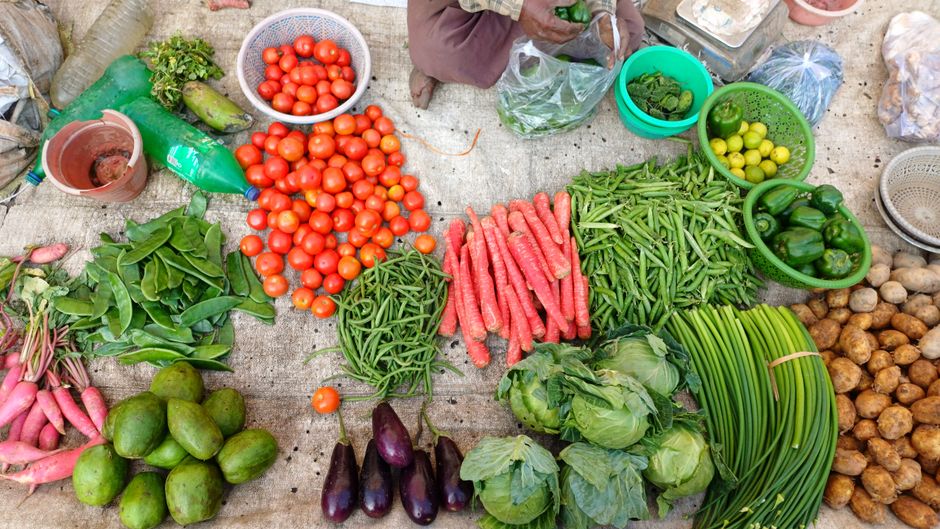
Photo by Sanjib Harijan on Pexels
Frugal Grocery Shopping Rules That Actually Stick
Having the list is step one. Using it well is step two. Here’s what separates people who actually reduce their grocery bill from people who try and give up after week two.
1. Shop the sales first, then build your list
Most people decide what they want to cook, then buy the ingredients — even if those ingredients are expensive this week. Flip it: check your store’s weekly circular first (or the app), see what proteins and produce are marked down, then plan meals around that. This one change alone can save $20–$40 per trip.
2. Default to store brands on the basics
Canned beans, pasta, rice, oats, milk, frozen vegetables — store brand is almost always the exact same product with a different label. We’ve done a full comparison of store brand vs. name brand across 20 common products over at store brand vs name brand: where cheap wins — the savings add up fast.
3. Buy whole, not pre-cut or pre-seasoned
Pre-cut carrots cost about 2–3x more than whole carrots. Pre-seasoned chicken is marked up 30–50% over plain chicken thighs. You’re paying for five minutes of someone else’s prep work. Grab the whole version and spend those five minutes yourself.
4. Frozen is not a compromise
Frozen vegetables are picked at peak ripeness and flash-frozen immediately. In many cases, they retain more nutrients than the “fresh” produce that’s been sitting in a truck for five days. Frozen spinach, broccoli, corn, peas — all perfectly good, half the price, zero waste from wilting.
5. Price per unit, not price per package
That giant bag of rice looks expensive at $12, but if it costs $0.08 per serving compared to $0.45 for the small bag, the big bag wins by a mile. Always look at the price-per-ounce on the shelf tag, not the total price. This is where most people accidentally pay more thinking they’re saving.
What to Skip on a Frugal Grocery List
Just as important as what to buy is what to leave on the shelf. These categories are where grocery budgets silently bleed:
- Individual-portion snacks — 100-calorie packs, single-serve yogurts, individually wrapped cheese sticks. Buy the big version and portion it yourself. The markup on convenience packaging is wild.
- Bottled water — get a filter and a reusable bottle. A pack of single-use bottles costs 10–20x more per gallon than filtered tap water.
- Specialty sauces and marinades — most of these are oil, vinegar, sugar, and salt in a nice bottle with a $7 price tag. Make your own with pantry staples.
- Pre-made sandwiches or deli meals — the markup on deli-prepared foods is enormous. The ingredients for a great sandwich cost a fraction of the ready-made version.
- Brand-name cereal — store-brand cereals are often made in the same facilities. The price difference ($2 vs. $5+) goes straight into the marketing budget of the original brand.
Putting the List to Work: A Sample Week
Here’s how a frugal grocery list actually plays out in real life for one adult. These items should run $60–$80 at most grocery stores and cover breakfast, lunch, and dinner for the week:
| Category | Items | Est. Cost |
|---|---|---|
| Produce | Bananas, sweet potatoes, cabbage, carrots, frozen spinach | ~$10 |
| Protein | Eggs (dozen), canned tuna (3), chicken thighs (2 lb), canned beans (2) | ~$22 |
| Grains | Rice (2 lb bag), oats, pasta (2 boxes), store-brand bread | ~$14 |
| Dairy | Milk, plain Greek yogurt (large), block cheese | ~$12 |
| Pantry | Canned tomatoes (2), peanut butter, vegetable oil, broth | ~$10 |
That’s roughly $68 for a full week of meals — with almost zero food waste because every item has a clear purpose. If you’re cooking for two, scaling this up to $110–$120 is very doable. Want the actual meal ideas to go with these ingredients? Check out our guide to 15 cheap meal prep ideas under $5 per serving — every recipe uses the kind of staples on this list.
For more ways to stretch that grocery budget even further without clipping a single coupon, see our breakdown of how to save money on groceries without coupons — some of those strategies pair really well with this list.
Final Thoughts
A frugal grocery shopping list isn’t about punishment. It’s about walking into the store with a plan instead of winging it and hoping for the best. You buy what you need, cook what you bought, and stop handing $50 bills to the store every time you “just ran in for milk.”
The staples on this list aren’t exciting. But the money you keep? That part is pretty great.
Written by David Carter | savemoneysimple.com