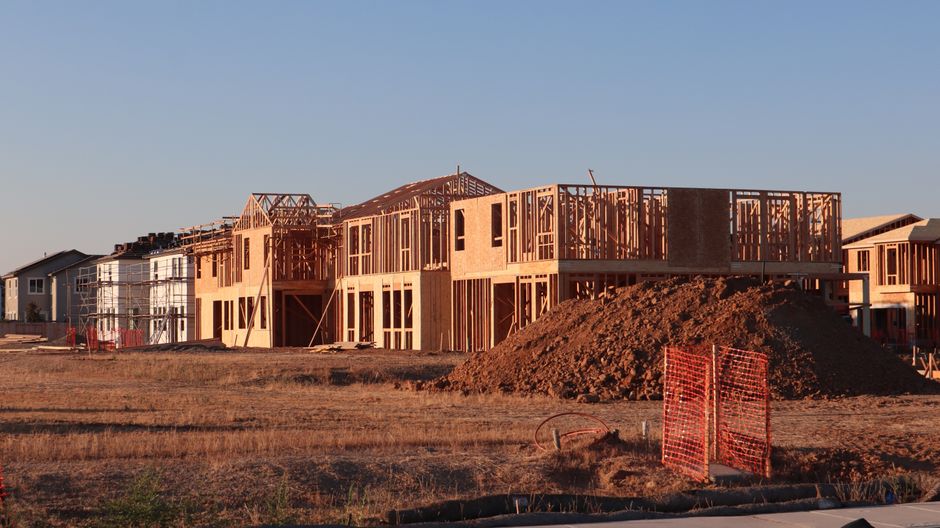
Building a house is exciting — right up until you see the first budget estimate and quietly consider moving into a van. According to HomeAdvisor, the average cost to build a home in 2026 is around $323,026 — and that’s before you buy the land. But here’s the thing: smart planning before a single nail is driven can shave tens of thousands off that number without sacrificing the home you actually want.
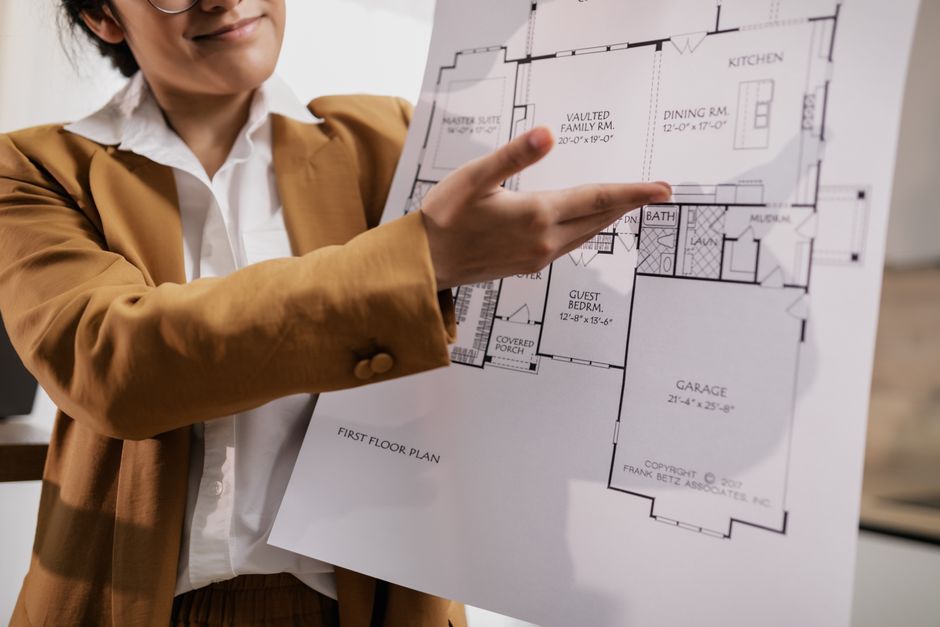
1. Keep Your Floor Plan Simple
Every corner you add to your floor plan adds money to your bill. Seriously — each bump-out, bay window, or awkward angle means more framing, more materials, and more labor hours. A rectangular or square footprint is the cheapest shape to build, full stop.
This doesn’t mean your home has to be boring. You can add personality with good window placement, a covered porch, or an open-concept interior layout — all without adding costly complexity to the structure.
2. Go Two Stories Instead of One Sprawling Ranch
This one surprises a lot of people. If you want a 2,400-square-foot home, building two stories instead of spreading it across one floor can save you $10,000 to $20,000 in construction costs — without losing any living space.
Why? A ranch-style home of the same size needs a foundation and roof that covers the entire footprint. A two-story home splits that square footage between two floors, so the foundation and roof are half the size. Foundation and roofing are two of the most expensive parts of any build, so anything that shrinks them directly shrinks your bill.
3. Choose Your Lot Very Carefully
A sloping lot with beautiful views might seem like a steal compared to a flat lot nearby. It’s not. Steep terrain means heavy excavation, extra foundation work, and potentially rerouting utilities — all of which can add $15,000 to $50,000 before you’ve framed a single wall.
The ideal lot is gently sloping (good for drainage) or flat. Before you buy, ask a builder to walk the land with you and give a rough site prep estimate. That 20-minute conversation could save you a fortune.
Also check local zoning rules and setback requirements before you close on any land. Discovering mid-build that your planned design violates local codes means expensive redesigns — and nobody wants that headache.
4. Use a Stock House Plan Instead of a Custom Design
Hiring an architect to draw custom plans from scratch can cost anywhere from $5,000 to $60,000 depending on the complexity. A professionally pre-designed stock plan from a reputable house plan website typically runs $1,000 to $2,500 — and you get a plan that’s already been built and tested many times, with common construction errors already ironed out.
Most stock plan sites have hundreds of designs at various sizes and styles. You can often make minor modifications for a small additional fee. From what I’ve seen, most buyers end up just as happy with a modified stock plan as they would with a fully custom design — and significantly less broke.
5. Build Only the Space You’ll Actually Use
Bigger is almost always more expensive — not just to build, but to heat, cool, maintain, and furnish. Every extra square foot adds cost at every stage of construction, from the foundation to the final coat of paint.
Before you finalize square footage, sit down and honestly think through how you live. Do you really need a formal dining room that only gets used at Thanksgiving? A dedicated home office, or will a corner of the living room do? Large guest rooms that sit empty 350 days a year? Cutting even 200 square feet from your original plan could save $20,000 to $40,000 on a mid-range build.
Prioritize the spaces you’ll use every single day — kitchen, primary bedroom, bathrooms, storage — and be ruthless about everything else.
6. Get Multiple Bids — Then Negotiate
Getting just one contractor bid is like accepting the sticker price at a car dealership. Always get at least three bids for your general contractor, and ask the same of major subcontractors (plumbing, electrical, roofing). The spread between bids can be surprising — sometimes 20 to 30 percent for the same scope of work.
Once you have bids, you have leverage. Ask each contractor if they can sharpen their pencil based on what you’ve received elsewhere. Many will. The same goes for your construction loan — shopping even half a percentage point difference in interest over a 30-year mortgage keeps thousands of dollars in your pocket.
7. Choose Cost-Effective Materials (Without Going Cheap)
There’s a real difference between choosing cost-effective materials and choosing low-quality ones. Never cut corners on structural elements — foundation, framing, roofing, electrical, and plumbing. Those decisions live in your walls for decades and affect your home’s safety and resale value.
But finishes? That’s where the savings are. Some swaps worth considering:
| Instead of this | Try this | Estimated savings |
|---|---|---|
| Custom ceramic tile flooring throughout | Quality vinyl plank (upgrade tile later) | $4,000–$10,000 |
| Complex hip or gable roof | Simple gable roof with asphalt shingles | $5,000–$12,000 |
| High-end granite countertops everywhere | Granite in kitchen only, laminate elsewhere | $3,000–$8,000 |
| Custom cabinetry | Semi-custom or stock cabinets | $5,000–$15,000 |
Vinyl plank flooring in particular has come a very long way in quality and appearance. Installers will even lay it as a base so you can put hardwood or tile on top later when the budget allows. It’s a smart move.
8. Lock Down Your Plans Before Breaking Ground
Change orders — changes made to the building plan after construction has started — are budget killers. Every time you change your mind about a window size, a room layout, or a fixture mid-build, you’re paying for labor to undo completed work, new materials, and scheduling delays.
Spend extra time in the planning phase. Walk through the floor plan obsessively. Look at similar homes in person. Talk to people who’ve already built. Make every decision on paper before a single shovel hits the dirt — and then commit to it.
9. DIY the Right Parts (And Only Those Parts)
Doing some of the work yourself can save money — but only if you’re honest about your skill level. Electrical work, plumbing, and structural framing are best left to licensed professionals. Getting these wrong doesn’t just cost money to fix; it can create safety hazards or fail inspections that halt your entire build.
Where DIY genuinely makes sense: painting, landscaping, installing light fixtures, finishing trim work, and laying flooring. These are lower-risk tasks where a motivated beginner can do quality work with some YouTube education and patience. Doing the painting alone on a 2,000-square-foot home can save $3,000 to $6,000 in labor.
10. Look Into Energy-Efficient Incentives and Rebates
Building new gives you a chance to bake energy efficiency into the design from day one — and collect real money for doing it. Many states and local municipalities offer rebates and tax credits for energy-efficient windows, insulation upgrades, solar-ready infrastructure, or solar panel installation.
A new home built with good insulation, efficient HVAC, and properly sealed windows can save $100–$175 per month on utility bills compared to an older home of the same size — that’s $1,200–$2,100 per year that stays in your pocket forever. Look up your state and local programs at energy.gov or dsireusa.org before you finalize your specs.
And if you’re managing your current household expenses tightly while saving for this build, check out our breakdown of how to cut your electric bill in half — those savings add up fast when you’re in saving mode.
The Big Picture: Where to Spend vs. Where to Save
Here’s the mental model that experienced builders live by: spend on the bones, save on the cosmetics. Structural quality, a solid foundation, good insulation, and reliable mechanical systems (plumbing, electrical, HVAC) are worth every dollar. They affect your home’s safety, longevity, and resale value for decades.
But countertops, tile patterns, light fixtures, and paint colors? Those are easy to upgrade later when you have more cash. You can’t easily fix a foundation problem — but you can always swap out a light fixture.
Experts suggest that smart planning early — simple floor plans, right-sized footprints, cost-effective material choices — can cut construction costs by 30–40% compared to a custom build with high-end finishes throughout. That’s not a small number.
Building a home is genuinely one of the coolest things you can do. Just make sure the version you build is the one that fits your wallet — not the one that looks great on a mood board but keeps you up at night.
Written by David Carter | savemoneysimple.com