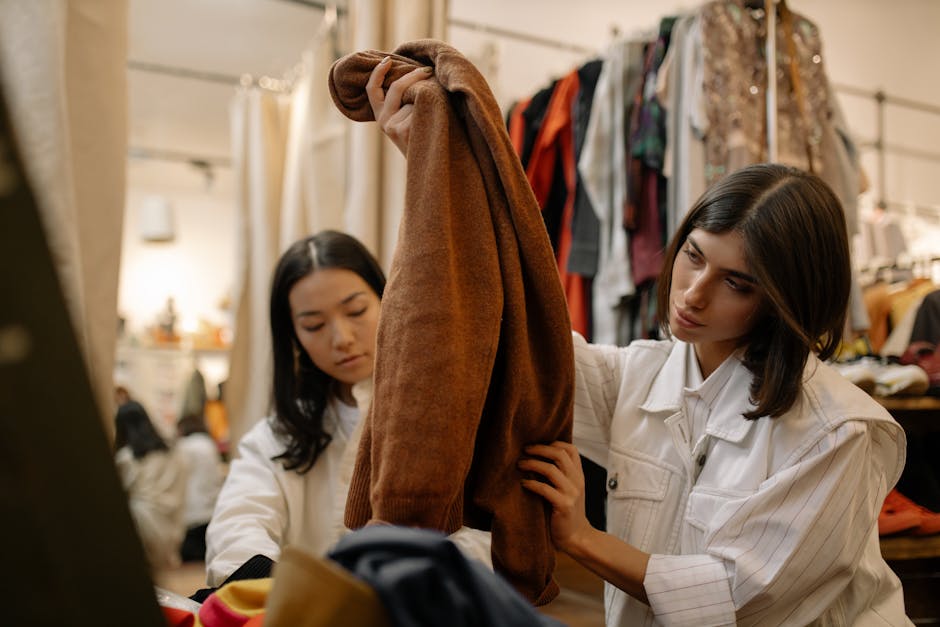
Photo by cottonbro studio on Pexels
Regular thrift store shoppers save an average of $1,452 a year — that’s not a typo. That’s a flight somewhere nice, a chunk of your emergency fund, or just the sweet relief of not checking your bank account after a weekend shopping trip.
But here’s the thing: most people walk into a thrift store with zero strategy and walk out with a $3 ceramic rooster they’ll never use. If that’s been you, no judgment — I’ve been there too. These 10 tips will change how you thrift, for real.
1. Go In With a Mission (Not a “Maybe” List)
Aimless browsing is how you end up with a bag full of stuff you didn’t need and an empty wallet. Before you walk in, write down exactly what you’re looking for. A navy blazer. A soup pot. Winter boots. A lamp for the bedroom.
Having a list doesn’t make you boring — it makes you smart. You’ll spend less time digging through racks of ill-fitting cargo shorts and more time finding actual treasures. Think of it like grocery shopping: you go in with a list, or you come out with seventeen snacks and no actual food.
2. Know Your Measurements
Thrift store fitting rooms are hit or miss — some stores have them, some have strict “no returns” policies that make trying things on feel like a high-stakes game show. Vintage sizing is also a nightmare: a dress from the 1980s labeled “size 12” might fit closer to a modern size 8.
Save your bust, waist, hip, inseam, and shoulder measurements in your phone’s notes app. It takes five minutes and saves you from hauling things home that don’t fit. This single tip alone has saved me more grief than I can count.
3. Learn the Color Tag System
This is one of the most underrated thrift store hacks out there. Many major chains — Goodwill, Salvation Army, Value Village — use a rotating color-coded tag system. Each week (or every few weeks), a specific tag color gets marked down, sometimes by 50% or more.
Ask a staff member which color is on sale this week before you start shopping. You might find a great jacket for $4 instead of $8. Not life-changing on its own, but multiplied across a whole shopping trip? It adds up fast.
4. Shop on Restock Days
Timing matters more than most people realize. The best items disappear within hours of hitting the floor — resellers and experienced thrifters know this, and they show up early on restock days.
For large chains like Goodwill and Salvation Army, donations are often processed over the weekend, which means Monday and Tuesday mornings tend to have the freshest inventory. Ask store staff when they typically put out new stock — most are happy to tell you. It’s like getting a cheat code.
5. Buy Off-Season on Purpose
This is how frugal shoppers think: buy winter coats in July. Buy swimsuits in January. When something is out of season, demand drops and prices follow.
The same logic applies at thrift stores. In the middle of summer, no one’s competing with you for heavy wool coats and snow boots. In January, you can find a great summer dress for $2 because everyone’s searching for parkas. Shopping off-season is basically the thrift store version of buying airline tickets on a Tuesday.

Photo by Magda Ehlers on Pexels
6. Inspect Everything Carefully
Thrift store items don’t come with a warranty, so you’re the quality inspector. Take thirty extra seconds with every item you pick up:
- Clothing: Check seams, armpits, and collar edges for wear. Look for stains in good light. Test zippers.
- Shoes: Flip them over. Worn-down soles or collapsed insoles are usually not worth it.
- Furniture: Smell it. A musty or chemical smell might mean mold or heavy cleaning. Wobble it. Check joints and drawers.
- Electronics: If possible, plug it in and test before buying. Many stores have outlets for this exact reason.
A small defect — like a missing button on a quality jacket — is often priced as if the whole thing is trash. If you can easily fix it at home or for a few dollars at a tailor, that “flaw” is actually a discount in disguise.
7. Look for Natural Fabrics and Quality Labels
Not all thrift store clothes are created equal. Fast fashion falls apart fast — even when it’s brand new. At a thrift store, you want items that were made to last.
Look for natural fiber labels: wool, cotton, silk, linen. These materials age better, wash better, and feel better than synthetic blends. Also check the brand tag — recognizing a name-brand label on a plain-looking rack can mean you’ve found a $60 shirt for $4. It happens more than you’d think.
On that note — if you’re building a budget wardrobe, our guide on building a capsule wardrobe on a budget is worth a read. Thrift stores are basically the best source for capsule pieces.
8. Skip the “Boutique” Curated Sections
Many thrift stores now have a special “boutique” or “featured” rack where they’ve pulled out items they think are higher-end and priced them accordingly. The problem is, the pricing isn’t always accurate — and you’re paying for someone else’s curation.
The real deals are buried in the general racks. Thrift stores use pricing software that scans barcodes and checks brands, but it’s not perfect — it misses things. That’s where you come in. The whole point of thrifting is to find what the system overlooked.
9. Don’t Overlook the “Boring” Sections
Books, records, kitchen tools, small appliances, picture frames, board games, craft supplies — these sections are criminally underrated. People flock to the clothing racks, which means the kitchenware and home goods sections are often packed with quality stuff nobody’s fighting over.
I’ve picked up a barely-used cast iron skillet for $6, a set of ceramic mixing bowls for $4, and a KitchenAid hand mixer for $12. Retail value on those three items combined? Probably $150+. The furniture and home goods aisle is where frugal living really happens.
This ties into a bigger mindset shift — and if you’re working on that, our frugal living tips that actually work covers the full picture beyond just shopping.
10. Compare Before You Assume It’s a Deal
Thrift stores can save you 50% to 80% off retail prices — but that only works if you know what retail actually is. Sometimes a thrift store will charge $15 for something you could buy brand new on sale for $20. That’s technically cheaper, but is it worth the wear-and-tear risk?
Do a quick phone check before buying anything over $10. Google the item or search Amazon. Sometimes the secondhand price is a steal. Sometimes it’s not as great as it seems. Knowing the difference is what separates a smart thrifter from someone who just feels like they’re saving money.
This is especially relevant for brand-name items. If you’re curious how name brands stack up against cheaper alternatives in everyday categories, our breakdown of store brand vs. name brand — 20 products where cheap wins is a great read.
Bonus: What NOT to Buy at Thrift Stores
Just as important as knowing what to grab: knowing what to leave on the shelf.
Quick Reference: Thrift Shopping Tips at a Glance
| Tip | Why It Matters |
|---|---|
| Shop with a list | Avoids impulse buys you’ll regret |
| Know your measurements | Vintage sizing is all over the place |
| Learn the color tag sale cycle | Unlocks 50%+ extra discounts |
| Go on restock days (Mon/Tue) | Best items go fast — show up early |
| Buy off-season | Less competition, lower prices |
| Inspect everything | No returns at most stores |
| Compare prices on your phone | Make sure it’s actually a deal |
The Bottom Line
Thrift store shopping is one of the highest-ROI frugal habits out there. You don’t need a ton of time, special skills, or an eagle eye — you just need a little strategy. Go on the right day, check the sale tags, know what you’re looking for, and actually inspect what you pick up.
The people saving $1,452 a year at thrift stores aren’t finding magic — they’re just showing up a little more prepared than everyone else. And now, so are you.
Happy hunting. May your finds be plentiful and your cart full of things you’ll actually use.
Written by David Carter | savemoneysimple.com
Pingback: What to Buy at Thrift Stores (And What to Skip) – Save Money Simple