Subscriptions You're Probably Wasting Money On (2026 Audit Checklist)
Subscriptions You're Probably Wasting Money On (2026 Audit Checklist)

Photo by Yan Krukau on Pexels
The average American spends $219 a month on subscriptions — and most people guess they spend closer to $86. That's not a rounding error. That's a full $133 gap between what you think you're paying and what's actually leaving your bank account every single month.
This checklist walks through the five biggest subscription categories where money quietly disappears: streaming, music, cloud storage, fitness, and news. For each one, you'll see exactly what you're paying per year — and what the free alternative looks like.
1. Streaming Services: The Biggest Subscription Drain
Streaming was supposed to kill the $150/month cable bill. Oops. According to a 2026 Deloitte study, the average U.S. household now spends $69/month on streaming video alone — and the average person subscribes to four different platforms. You know, just to have options while scrolling for 40 minutes and rewatching something you've already seen.
Prices just went up again. As of late March 2026, Netflix raised its Standard plan to $19.99/month (up from $17.99) and Premium to $26.99. Disney+ with ads is $11.99/month. HBO Max (yes, it's HBO Max again) starts at $10.99. Spotify bumped its Individual plan to $13/month in January. They're all doing it. Every quarter, another email hits your inbox.
From what I can tell, most households are paying for at least one streaming service they genuinely forget exists. Peacock? Paramount+? That free trial that silently converted?
| Subscription | Monthly Cost | Annual Cost | Free Alternative |
|---|---|---|---|
| Netflix Standard | $19.99 | $239.88 | Tubi, Pluto TV |
| Disney+ (with ads) | $11.99 | $143.88 | Rotate quarterly |
| HBO Max (Basic) | $10.99 | $131.88 | Library + Kanopy |
| Paramount+ (with ads) | $9.00 | $108.00 | Pluto TV (CBS content) |
| Peacock Premium | $10.99 | $131.88 | NBC.com (free episodes) |

Photo by Jakub Zerdzicki on Pexels
2. Music Streaming: Paying for Sound You Can Get for Free
Spotify just hit $13/month for its individual plan (as of January 2026). Amazon Music Unlimited is $13/month too, or $12 if you have Prime. That's $156/year to listen to music — which, honestly, has been free for most of human history. (Your grandparents had AM radio. It was fine.)
| Subscription | Monthly Cost | Annual Cost | Free Alternative |
|---|---|---|---|
| Spotify Premium (Individual) | $13.00 | $156.00 | Spotify Free, YouTube Music Free |
| Amazon Music Unlimited | $13.00 | $156.00 | Amazon Prime Music (free with Prime) |
| Apple Music | $10.99 | $131.88 | YouTube Music Free, Spotify Free |
The honest truth: Spotify Free is perfectly usable for most people. Yes, you get ads. Yes, shuffle-only on mobile. But if you mostly listen while driving or doing dishes, the free tier gets the job done. YouTube Music Free also covers an enormous catalog. And if you already pay for Amazon Prime, Amazon Prime Music comes included — enough for casual listening without a separate subscription.
3. Cloud Storage: The Sneakiest Subscription Category
Cloud storage subscriptions are sneaky because they feel essential. Your phone keeps nagging you: "Storage is almost full. Upgrade now." So you tap "okay" one time — and suddenly you're locked into a monthly charge you never think about again.
| Subscription | Monthly Cost | Annual Cost | Free Alternative |
|---|---|---|---|
| iCloud+ 50GB | $0.99 | $11.88 | Google Drive 15GB free |
| iCloud+ 200GB | $2.99 | $35.88 | Google One 100GB ($1.99/mo) |
| iCloud+ 2TB | $9.99 | $119.88 | Google One 2TB ($9.99/mo) |
| Dropbox Plus (2TB) | $11.99 | $143.88 | Google Drive or OneDrive (free tiers) |
The real fix for cloud storage bloat isn't always paying more — it's deleting duplicates, offloading old videos to an external hard drive, and disabling automatic photo backup for apps you never use. Google Drive offers 15GB free, which is three times more than iCloud's 5GB free tier. If you're on Apple and paying for iCloud+ just because Google Drive didn't occur to you: go download the app right now.
4. Fitness Apps: Paying to Not Work Out in Style
Fitness subscriptions are the masters of the guilt economy. You keep paying because canceling feels like giving up on yourself. That's a brilliant business model and an absolutely terrible personal finance strategy.
| Subscription | Monthly Cost | Annual Cost | Free Alternative |
|---|---|---|---|
| Peloton App (All-Access) | $24.00 | $288.00 | YouTube workouts (free) |
| Nike Training Club (Premium) | $14.99 | $179.88 | Nike TC Free tier (extensive library) |
| MyFitnessPal Premium | $19.99 | $239.88 | MyFitnessPal Free, Cronometer Free |
| Apple Fitness+ | $9.99 | $119.88 | YouTube (Yoga with Adriene, Heather Robertson) |
YouTube is genuinely one of the best free fitness platforms in the world. Channels like Heather Robertson, Yoga with Adriene, and ATHLEAN-X offer professional-quality workouts at zero cost. If you're currently paying $20/month for a fitness app but haven't opened it in three weeks, it's time to have an honest moment with yourself — and your bank account.
5. News Subscriptions: The Forgotten Monthly Charge
News paywalls are everywhere now, and a lot of people signed up during a sale and forgot. The New York Times runs at $25–$40/month for full access. The Wall Street Journal is around $39/month. The Washington Post, local newspapers — they add up fast.
| Subscription | Monthly Cost | Annual Cost | Free Alternative |
|---|---|---|---|
| New York Times (Full Access) | ~$25–$40 | ~$300–$480 | AP News, Reuters, library card |
| Wall Street Journal | ~$39 | ~$468 | MarketWatch (free), library access |
| Local newspaper | $10–$20 | $120–$240 | Library card (digital access) |
The most underused free resource for news: your local library card. Many libraries offer free access to the New York Times, Washington Post, and Wall Street Journal through services like PressReader or direct library partnerships. AP News and Reuters are also completely free, well-written, and cover nearly everything you actually need to know.
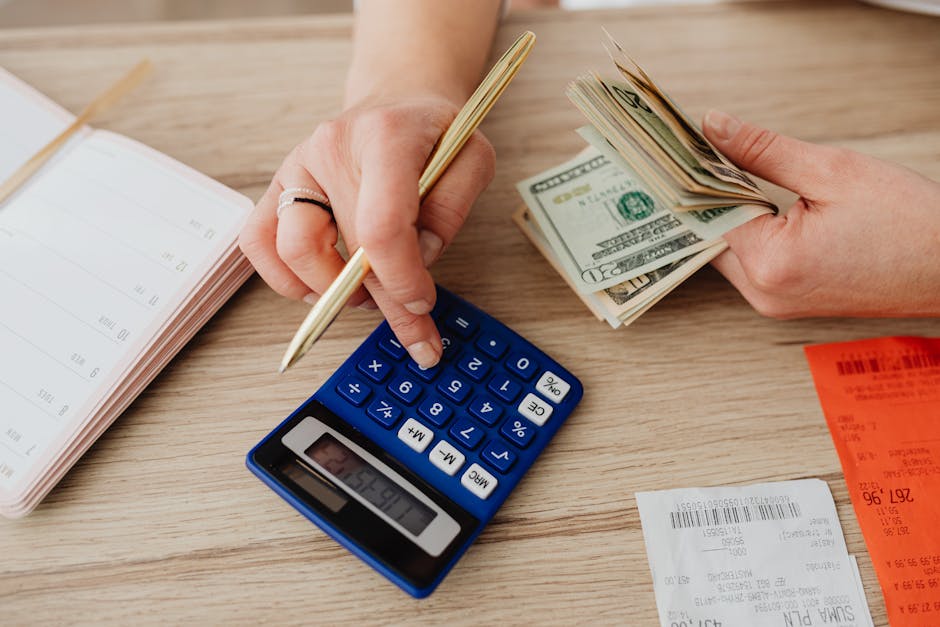
Photo by kaboompics on Pexels
Your 2026 Subscription Audit Checklist
Set aside 20 minutes, open your bank or credit card statements, and go through this list. Be honest with yourself. If you haven't used it in the last 30 days, that's your sign.
📺 Streaming Audit
☐ List every streaming service you're paying for right now.
☐ When did you last use each one? Be honest.
☐ Cancel anything unused in the past month. You can resubscribe later.
☐ Downgrade to ad-supported tiers if you watch less than 2 hours/day.
☐ Check if you can bundle (Disney+/Hulu together is cheaper than separate).
🎵 Music Audit
☐ Do you listen more than 1 hour/day? If not, free tier is probably fine.
☐ Check if Amazon Prime Music already covers your needs (free with Prime).
☐ Check if a Family Plan is worth splitting with someone to cut your cost.
☁️ Cloud Storage Audit
☐ What's actually eating your storage? Check Photos, Downloads, Videos.
☐ Offload old videos/photos to an external drive (one-time cost, zero recurring).
☐ Switch to Google Drive's 15GB free tier if you're on Apple and haven't explored it.
🏋️ Fitness Audit
☐ Have you used your fitness app this week? This month?
☐ Search YouTube for the type of workouts you do — I bet it's all there for free.
☐ Cancel the premium tier and give yourself 30 days on free/YouTube before resubscribing.
📰 News Audit
☐ Do you actually read this publication regularly, or just feel like you should?
☐ Check if your library card gives you free digital access to major outlets.
☐ Bookmark AP News or Reuters as your daily read — free, fast, no fluff.
Cutting subscriptions is one of the fastest wins in personal finance, but it works even better as part of a broader budget strategy. If you haven't looked at your other fixed expenses in a while, our guide on how to cut your electric bill in half is a great next step — those recurring costs add up just as quietly.
And while you're in audit mode, it's worth looking at your grocery spending too — it's the other area where most budgets leak the most. We put together a detailed breakdown in our post on how to save money on groceries without coupons, which covers a lot of the same "small changes, big results" philosophy.
What This Audit Could Save You
Let's put some real numbers to this. If you cut two unused streaming services ($20/month combined), drop Spotify for the free tier ($13/month), downgrade iCloud storage by managing your photos ($3/month), cancel a fitness app you're not using ($15/month), and pause one news subscription ($20/month) — that's $71/month, or $852/year, freed up from subscriptions you weren't really getting full value from.
That's a flight. That's a month of groceries. That's your emergency fund growing by $70 every single month, automatically, for doing nothing except deleting a few apps.
Final Thought
The subscription economy is built on one assumption: that you won't notice. Most people don't — until they actually look. The whole thing takes about 20 minutes, but most people never get around to it because it feels like a lot.
It's not. Open your statements, go through each category above, and ask yourself one honest question for each one: "Would I sign up for this today at this price?" If the answer is no — cancel it. You can always come back.
Future you — the one with $852 extra to spend on something you actually chose — will be very glad you did.
Written by David Carter | savemoneysimple.com
Enjoyed this article?
Get practical money-saving tips delivered to your inbox — no spam, no fluff.


Comments
Post a Comment