How to Stop Food Waste at Home (And Save $1,500 a Year)
How to Stop Food Waste at Home (And Save $1,500 a Year)
Photo by Gustavo Fring on Pexels
Think about the last time you threw out a bag of slimy salad greens or a forgotten container of leftovers. Now multiply that by every week of the year. According to the EPA, the average American family of four loses $1,500 worth of food every single year to waste — that's a car payment, a vacation, or three months of savings. And it's sitting in your trash can.
The good news? You don't need a composting system or a Pinterest-worthy pantry to fix this. You just need a few habits that take five minutes to set up.
Why We Waste So Much Food at Home
From what I can see, the biggest villain isn't laziness — it's overly ambitious grocery shopping. We buy a bunch of kale with the best intentions on Sunday and eat cereal by Wednesday. Sound familiar?
Research from the NRDC found that the average American household wastes about 6.2 cups (roughly 2.1 pounds) of edible food per week. That adds up quietly, week after week, until suddenly you're throwing away more groceries than you're actually eating.
The other sneaky culprit? Confusion about expiration labels. Over 80% of Americans throw out perfectly good food because they misread "best by" dates — which are about peak quality, not safety. More on that in a minute.
How to Stop Food Waste at Home: 7 Habits That Actually Work
1. Shop With a List (And Actually Stick to It)
Wandering the grocery store without a plan is basically a donation to the landfill. Before you go, do a quick "fridge audit" — check what's already in there, what needs to be used up, and what you actually need. A shopping list based on a rough meal plan for the week means you buy only what you'll use.
Pair this with our tips on how to save money on groceries without coupons and you're hitting two goals at once: less waste AND lower grocery bills.
2. Learn the "First In, First Out" Rule
This is what restaurants do, and it works just as well at home. When you bring new groceries home, move older items to the front of the fridge and shelf, and put the new stuff in the back. This way, you use up older food before it goes bad instead of discovering it weeks later behind a wall of new stuff.
Takes 60 seconds after every grocery run. Worth every second.
3. Stop Trusting "Best By" Dates Blindly
Here's something that will save you real money: "best by," "best if used by," and "sell by" dates are mostly about quality, not safety. The USDA confirms that "use by" is the only label that actually relates to food safety — and even then, it applies to a small number of highly perishable products.
This one habit alone can eliminate a huge chunk of your food waste. Seriously — a 2025 survey found that 43% of U.S. adults say they "always or usually" throw out food at or past the date label. That's a lot of perfectly good food hitting the trash.
4. Use Your Freezer Like a Best Friend
The freezer is probably the most underused tool in most kitchens. Bread going stale? Freeze it. Bananas getting spotty? Freeze them (they're perfect for smoothies later). Chicken on sale but you won't cook it in time? Freeze it the day you buy it.
Most leftovers freeze beautifully too — soups, rice, cooked grains, pasta sauces, beans. If you're not sure whether something freezes well, a quick Google search takes 10 seconds and can save a whole meal from the trash.
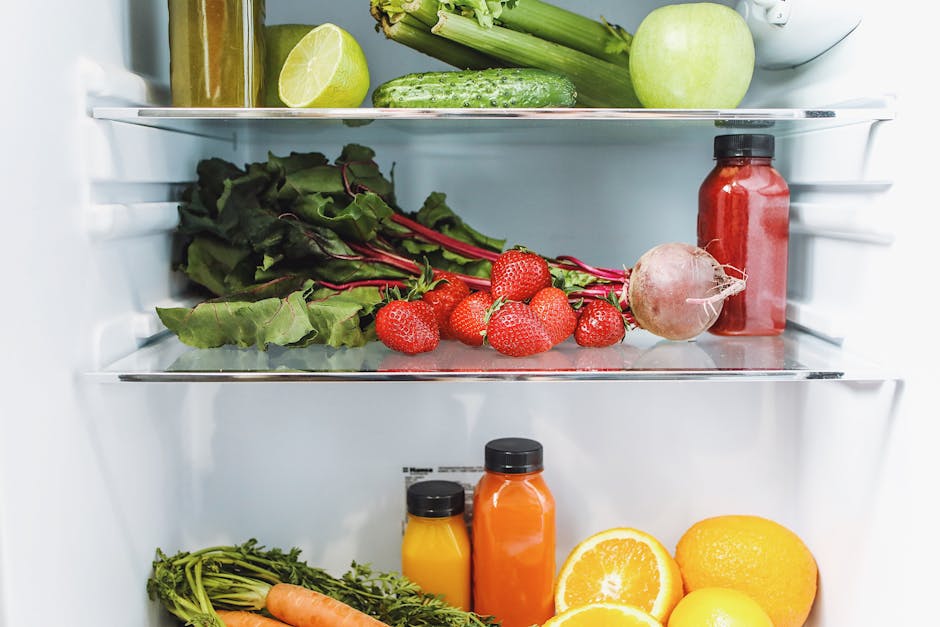
Photo by Polina Tankilevitch on Pexels
5. Plan at Least One "Use It Up" Meal Per Week
This is my personal favorite hack: dedicate one dinner per week — Friday works well — to cleaning out whatever's left in the fridge. Call it "fridge night," "leftover night," or "clean out the chaos night." Whatever you need to call it to make it happen.
Stir-fries, frittatas, fried rice, grain bowls — all of these are incredibly forgiving and can absorb almost any combination of vegetables, proteins, and grains you have lying around. Some of my best accidental meals have come from desperation-fueled fridge cleanouts.
If you want meal ideas that make the most of every ingredient you buy, check out our list of 15 cheap meal prep ideas under $5 per serving — a lot of them are built exactly around this "use what you have" approach.
6. Store Food the Right Way
A lot of food goes bad not because you forgot about it, but because you stored it wrong. A few quick fixes:
- Herbs: Treat them like fresh flowers. Trim the stems and store upright in a glass of water in the fridge. They last 1–2 weeks instead of 3 days.
- Berries: Rinse with a diluted white vinegar solution (1 part vinegar to 3 parts water), dry completely, then refrigerate. They last significantly longer than unwashed berries.
- Leafy greens: Store with a dry paper towel in a sealed container or bag to absorb excess moisture. The paper towel keeps them crisp instead of slimy.
- Onions, garlic, and potatoes: Keep these out of the fridge, in a cool dark place. They last much longer at room temperature than most people realize.
7. Buy Less, More Often
There's a temptation to do one giant weekly shop and stock up on everything. But unless you're incredibly disciplined about using it all, buying more than you need is just a slow way to waste money. Buying smaller amounts more frequently — especially for fresh produce — means less goes bad before you get to it.
This doesn't mean you need to shop every day. Even splitting your grocery run into two smaller trips per week instead of one big haul can cut produce waste dramatically. If you're already shopping smart, pair this with our guide to eating healthy on $50 a week to keep your budget in check at the same time.
The Money Math Is Hard to Ignore
Let's put it in perspective. The EPA estimates that food waste costs the average American $728 per person per year. For a household of four, that's nearly $2,913 annually — or about $56 every single week — going straight into the garbage. Not into savings. Not into a fun experience. Into the trash.
None of the habits above require spending more money. They require spending a little more attention. And from what I've seen, the people who make the biggest dent in their grocery bills aren't the ones who hunt for deals — they're the ones who actually use what they buy.
Small Habits, Big Savings
You don't need a perfect system. You don't need fancy containers or a color-coded fridge. You just need a shopping list, a little fridge organization, and the willingness to eat leftovers before they turn into a science experiment.
Start with one or two of these habits this week. Notice the difference in what you're throwing away — or more accurately, what you're not. Your wallet will figure out the rest pretty quickly.
Written by David Carter | savemoneysimple.com
Enjoyed this article?
Get practical money-saving tips delivered to your inbox — no spam, no fluff.


Comments
Post a Comment