How to Sell Stuff You Don't Need (And Actually Make Money)
How to Sell Stuff You Don't Need (And Actually Make Money)
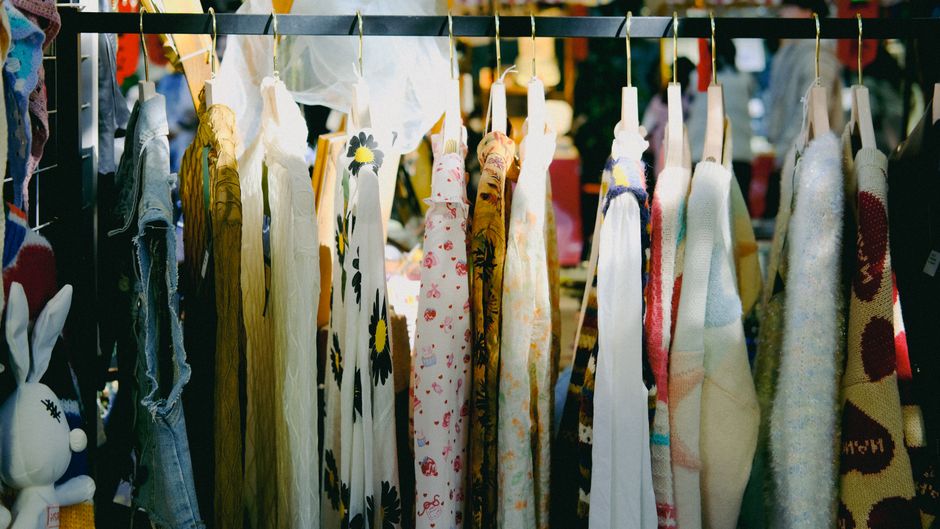
Photo by Muhamad Guruh Budi Hartono on Pexels
That jacket you bought three years ago and wore twice? Still hanging there. The blender you were going to use for smoothies? Still in the box. You have a house full of stuff that used to cost real money — and right now it's just taking up space. The good news: someone out there wants exactly what you have, and they'll pay you for it.
Here's how to actually sell your unwanted stuff — not just list it and wait forever, but sell it fast and walk away with cash.
Step 1: Do a Quick Declutter (Don't Overthink It)
Before you open any app, you need to figure out what you're actually selling. The fastest method? Walk through your home and ask one question for each item: "Would I buy this again today?" If the answer is no, it goes in the sell pile.
Common items that sell surprisingly well:
- Clothing — especially name brands like Nike, Levi's, or Lululemon
- Electronics — old phones, gaming accessories, cables
- Furniture — chairs, side tables, lamps, bookshelves
- Kitchen items — appliances, pots, tools you never use
- Books, DVDs, board games — they go fast at the right price
- Baby/kids items — strollers, clothes, toys in good condition
From what I've seen, people consistently underestimate how much their "junk" is worth. A stack of old video games can fetch $50–$100. A decent blender in its original box? Easily $30–$40. Don't throw stuff away before you check if it can sell.
Step 2: Pick the Right Platform for What You're Selling
This is the part most people get wrong. They post a couch on Poshmark or list a handbag on Craigslist and wonder why nothing sells. The platform matters. Here's a simple breakdown:
| Platform | Best For | Seller Fee |
|---|---|---|
| Facebook Marketplace | Furniture, appliances, local pickups | 0% (local cash) |
| eBay | Electronics, collectibles, niche items | ~13–15% |
| Poshmark | Brand-name clothing and accessories | $2.95 (<$15) / 20% (>$15) |
| Mercari | Mixed household items, quick sales | 10% |
| Depop | Vintage and trendy clothes (Gen Z buyers) | 0% + 3.3% payment processing |
| Vinted | Fashion, kids items — buyer pays the fee | 0% (buyer pays) |
The quick-start rule: If it's heavy or bulky, use Facebook Marketplace and sell locally — no shipping headaches, no fees, cash in hand. If it's clothing, go to Poshmark or Depop. If it's electronics or anything niche, eBay reaches the biggest pool of buyers.

Photo by MART PRODUCTION on Pexels
Step 3: Take Photos That Actually Sell the Item
Nobody is buying something they can't see clearly. Your photos are everything — they're the difference between "sold in 2 hours" and "still listed in 3 months."
You don't need a fancy camera. Your phone is fine. What you need:
- Good lighting. Natural light from a window is the easiest and best. Avoid dark, shadowy shots — they make everything look sketchy.
- A clean background. A plain white wall or a simple floor works. Move the pile of laundry out of frame first.
- Multiple angles. Show the front, back, sides, and any flaws. Buyers trust sellers who show the imperfections upfront.
- Context shots help. For furniture, a photo of the item in a room gives buyers a better sense of size and style.
Spending 10 minutes on good photos will save you weeks of waiting and back-and-forth messages asking "can you send more pics?"
Step 4: Price It to Actually Sell
The most common mistake people make: pricing too high because they remember what they paid originally. Nobody cares what you paid. They care what it's worth right now, used.
A solid starting point: price at 25–40% of what the item sells for new. So if a blender costs $80 new, list yours at $20–$32. Adjust up if it's barely used, still in the original box, or a premium brand.
Before listing, search your item on the platform you're using. Look at what similar items actually sold for — not just what other people are asking. On eBay, filter by "Sold Items" to see real prices. This takes 5 minutes and will make sure you're not leaving money on the table or scaring buyers away with a too-high price.
Step 5: Write a Description That Answers Every Question
A good description kills the "Is this still available?" messages and gets you straight to "I'll take it." Cover the basics:
- What it is — brand, model, size, color
- Condition — be honest about scratches, stains, or missing parts
- Why you're selling — a simple line like "bought a new one" builds trust fast
- Pickup or shipping — if local, mention your city or neighborhood
Keep it short and honest. A two-paragraph description that answers real questions beats a wall of text every time.
What to Do with Stuff That Won't Sell
Some things just won't sell online, and that's okay. Here's the priority order:
- Lower the price. If something's been sitting for two weeks, drop it by 20%. Often that's all it takes.
- Try a different platform. Something that doesn't move on Poshmark might sell in a day on Mercari — different audiences, different results.
- ThredUp for clothing. You mail a bag of clothes and they handle the rest. Payouts are low (often 3–15% for cheaper items), but it beats throwing things away.
- Donate or local free groups. Facebook has "Buy Nothing" groups where people list items for free. Someone in your neighborhood gets something useful, and you get your space back.
The goal isn't to squeeze every dollar out of every item. The goal is to clear the clutter and get cash for the things that have real value.
Once you've sold your extra stuff, the next step is making sure you stop accumulating things you don't need — check out our full guide to subscriptions you're probably wasting money on. And if you want tools that help you spend less every day, we rounded up the best apps to save money in 2026.
Start Small, Start Today
You don't need to sell everything at once. Pick five items right now — things you know you don't use — and list them on Facebook Marketplace or Mercari this weekend. See what happens. Most people are surprised at how quickly things sell when they price them right and take decent photos.
That $150 sitting in your closet and garage isn't going to sell itself. Might as well be in your pocket.
And hey — the hardest part isn't the selling. It's admitting you really didn't need that air fryer, the fondue set, or the exercise bike you've been "about to use" since 2022.
Written by David Carter | savemoneysimple.com
Enjoyed this article?
Get practical money-saving tips delivered to your inbox — no spam, no fluff.


Comments
Post a Comment