How to Declutter Sentimental Items Without Guilt
How to Declutter Sentimental Items Without Guilt
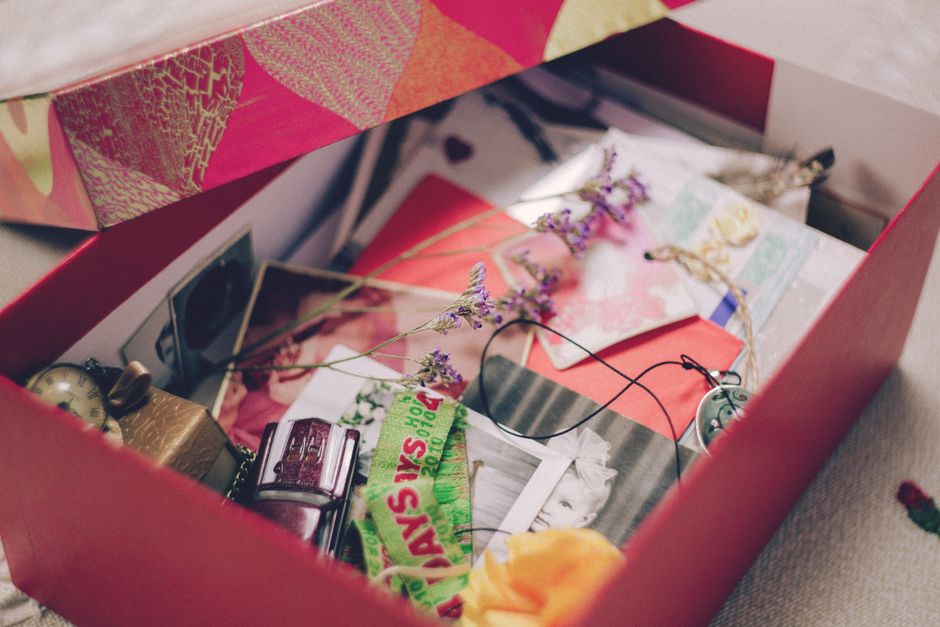
Photo by freestocks.org on Pexels
There's a box in your closet. Maybe it's in the attic. Maybe it's shoved under the bed. You know exactly what's in it — old birthday cards, a stuffed animal with one eye, your late grandmother's ceramic teacups — and you haven't opened it in three years. But you'd feel terrible throwing any of it away. Sound familiar?
You're not alone. Over 65% of people say they feel sentimental about their possessions, making it one of the hardest categories to declutter. But here's the thing: you don't have to choose between keeping your memories and clearing the clutter. You just need a smarter approach.
Why Sentimental Clutter Is Different
Decluttering a junk drawer is easy. You pick up a dead battery and toss it. Done. But when you pick up a birthday card from your mom written ten years ago — suddenly you're sitting on the floor for 45 minutes reading every word and wondering if you're a bad person for considering recycling it.
The reason is simple: sentimental items aren't really about the objects. They're about the people, moments, and feelings we associate with them. Letting go of a teacup can feel like letting go of the person who gave it to you. That's an emotional hurdle, not a practical one.
And here's something worth knowing: research shows clutter raises cortisol — your stress hormone — throughout the day. A UCLA study found that women living in cluttered homes had measurably higher stress levels than those in tidy ones. The sentimental stuff that's "too precious to throw away" might actually be making you feel worse, not better.
That's not a reason to feel guilty about keeping things. It's a reason to be intentional about which things you keep.
Rule #1: Do Sentimental Items Last
This is the single most important piece of advice: do not start with the sentimental stuff.
If you walk into the attic and immediately open the box of old photos and childhood toys, you're done. The whole session will be over in 20 minutes because you'll be too emotionally drained to make good decisions. You'll either keep everything out of guilt, or throw things away in a frenzy you'll regret.
Instead, start with low-stakes stuff. Clear out the expired pantry items. Go through the closet and donate clothes you haven't worn in two years. Toss the broken umbrellas and the random cables with no device attached to them. (We all have 30 of those.)
Once you've built the muscle of letting go with easy decisions, sentimental items become much more manageable. You've proven to yourself that releasing things doesn't erase meaning — it just frees up space. If you're looking for a full plan, our guide to decluttering your home fast covers every room in a logical order.
Rule #2: Your Memory Lives in You, Not in the Object
This is the mindset shift that changes everything.
We hold onto objects because we're afraid that letting go of the item means letting go of the memory. But think about it — how many memories do you have that are incredibly vivid and meaningful, with no physical object attached to them at all? Your first day of school. A conversation with a grandparent. The smell of the house you grew up in.
The memory isn't stored in the ceramic mug. It's stored in you. The mug is just a trigger — a helpful one, sometimes, but not the memory itself.
If it's sitting in a box unseen for years, it isn't actually helping you remember. It's just taking up space and adding to your mental load.
Rule #3: Keep the Best, Let Go of the Rest
You don't have to keep zero sentimental items. That's not the point. The point is to keep the best ones.
If you have 40 of your kid's drawings from elementary school, keep your top 10 favorites. Frame two of them. The other 38 can go — and your child won't love you any less for it. If you have a set of 12 china cups from your aunt that you never use and honestly don't even like, you don't have to keep all 12 to honor the relationship.
Here's a question that helps: "If I could only keep ONE item from this group, which would it be?" That one stays. Then you can thoughtfully decide on a second or third. But starting from a "keep everything" mindset and trying to eliminate is much harder than starting from zero and choosing what truly matters.
When everything is labeled "sentimental," nothing feels truly special. It's like having 200 "favorites" on your phone playlist — at some point it defeats the purpose. Curating down to the real treasures makes them feel more treasured.

Photo by Letícia Alvares on Pexels
Practical Strategies That Actually Work
Take Photos Before You Let Go
This is a simple trick that removes so much guilt. Before donating or tossing an item, take a photo of it. You get to "keep" the visual memory without keeping the physical object. Make a dedicated album on your phone called "Things I Loved."
One thing I've noticed from this: people rarely go back and look at those photos. And that tells you something. The letting go was fine all along.
Display It or Lose It
Here's a rule that cuts through a lot of the noise: if it's truly meaningful, it deserves to be displayed. If it's been sitting in a bin in the garage for five years, it's not actually meaningful in a day-to-day way — it's just guilt-storage.
Find a meaningful item a real place of honor in your home — a shelf, a frame on the wall, a spot on the dresser. If you can't find a spot for it because you have too many "precious" things, that's your signal to curate more ruthlessly. The ones that earn a display spot get to stay.
Pass It to Someone Who Will Use It
Some sentimental items aren't really about you holding onto them — they're about honoring the person or moment they represent. If your grandmother's sewing kit is sitting unused in a drawer, consider giving it to a family member who actually sews. That's not letting go of her memory. That's extending it.
Same goes for donating. A handmade quilt that's folded away unseen in your attic could be bringing warmth to someone every single day. There's nothing wrong with letting it do that.
Set a Time Limit Per Session
Professional organizers consistently recommend keeping sentimental decluttering sessions under two to three hours max. After that, decision fatigue sets in and you either get reckless ("throw it all out!") or paralyzed ("I can't get rid of anything!").
Set a timer. When it goes off, stop. Come back another day. Slow and steady gets it done without the emotional hangover.
The "Someday Box" Trick
Can't decide on something? Put it in a box, seal it, and label it with today's date. Set a reminder for six months from now. If you haven't opened the box or thought about the item in six months, you have your answer. Donate it without opening.
This trick works because it removes the pressure of a permanent decision in the moment. You're just postponing it — but with an honest accountability deadline.
What to Do With Items You're Letting Go
Once you've decided something can go, the worst thing you can do is put it in a trash bag immediately. That can make the grief worse. Instead, be intentional about where it goes:
- Offer to family first. Before donating or trashing anything with family significance, check with relatives. Someone might actually want it.
- Donate to a meaningful place. A baby outfit donated to a crisis nursery. A beloved book to a Little Free Library. Intentional donation softens the goodbye.
- Sell it if it has value. Some sentimental items have real market value — vintage jewelry, antique furniture, collectibles. If you're letting go anyway, you might as well recoup some money. Our post on how to sell stuff you don't need and actually make money has the best platforms to use.
- Photograph it first. Always. One last photo before it leaves the house.
The Guilt Is Normal — But It's Not a Stop Sign
Nobody declutters sentimental items without some guilt. That's not a sign you're doing something wrong. It's a sign that the people and moments in your life mattered. That's a good thing.
But guilt isn't a reliable guide for decision-making. If it were, none of us would ever throw away a birthday card. Guilt tells you "this mattered" — not "you must keep this forever." Those are two very different messages.
What actually honors the people and moments behind sentimental items isn't holding onto every physical reminder of them. It's keeping the real memories alive — in conversations, in traditions, in the way you live. A box of forgotten stuff in a garage isn't honoring anyone. Choosing a single item that genuinely makes you smile every time you see it on your shelf? That is.
Final Thought
Decluttering sentimental items is a process, not an afternoon project. Give yourself the time and grace to do it right. Start small, be selective, find good homes for what you release, and remind yourself that the memories travel with you — not with the cardboard box.
And if you get emotionally derailed and end up reading a stack of old birthday cards for two hours instead of decluttering? That's okay too. The box will be there tomorrow. So will the memories.
Written by David Carter | savemoneysimple.com
Enjoyed this article?
Get practical money-saving tips delivered to your inbox — no spam, no fluff.


Comments
Post a Comment