Cheap Protein Sources for a Tight Budget (2026)
Cheap Protein Sources for a Tight Budget (2026)
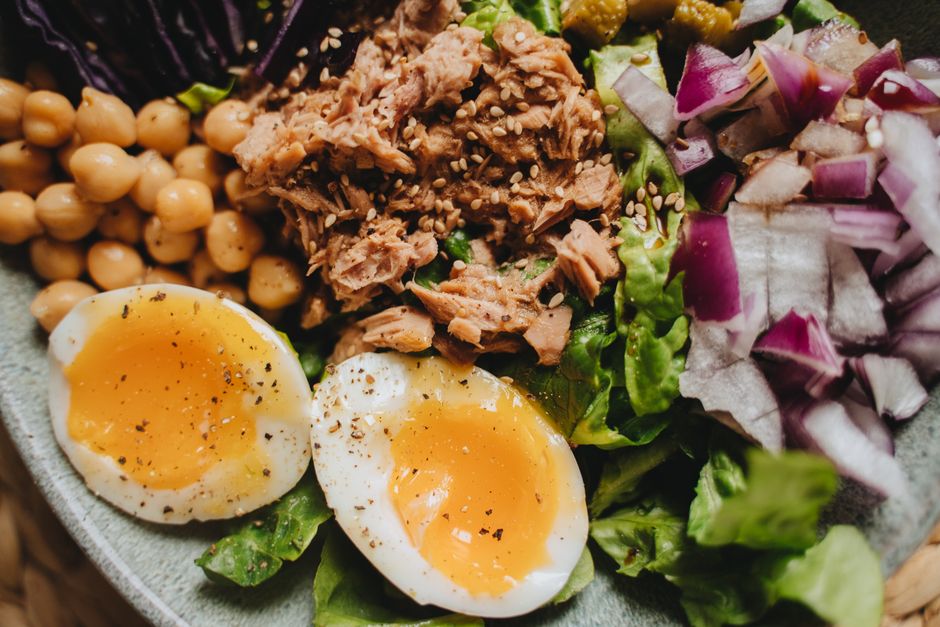
Photo by Alesia Kozik on Pexels
Protein is the most expensive part of most people's grocery cart — and with beef hitting record highs recently, it's getting worse. But here's the thing: you don't need expensive cuts of meat to hit your daily protein goals. Some of the best protein sources in the world cost less than a cup of coffee.
This list focuses on real foods with real prices. No supplements, no fancy protein bars — just everyday options you can find at Walmart, Aldi, or any regular grocery store, ranked by how much protein you actually get for your dollar.
If you're trying to stretch your food budget further overall, our guide to saving money on groceries without coupons covers the bigger picture strategy.
1. Eggs — The Unbeatable Budget Protein
Eggs are the gold standard of cheap protein, and nothing knocks them off that throne. A dozen eggs gives you around 72 grams of complete protein — meaning all nine essential amino acids — for somewhere between $3 and $5 depending on your store and brand. That works out to roughly 15–20 grams of protein per dollar. Nothing else comes close in that combination of price, nutrition, and versatility.
Scrambled, boiled, poached, baked into a frittata — eggs work at every meal. I keep a batch of hard-boiled eggs in the fridge at all times. They're the fastest high-protein snack that exists, and they cost about 30 cents each.
2. Canned Tuna — 25g of Protein for About $1
A single 5 oz can of chunk light tuna in water delivers around 25–30 grams of complete protein. Store-brand versions at Walmart run as low as $0.95 to $1.25 per can. That's an absurd amount of protein for the price — and it requires zero cooking.
Canned tuna is also shelf-stable for years, which makes it one of the best pantry staples you can stock up on when it's on sale. Mix it with a little mayo and some mustard, pile it on crackers or bread, and you have a high-protein lunch in about 90 seconds. Canned salmon is another option if you want omega-3s and don't mind paying slightly more.

Photo by Anshu Kumar on Pexels
3. Dried Lentils — The Plant-Based Champion
If you want the highest amount of protein per dollar from a plant source, dried lentils win by a landslide. A 1 lb bag of Great Value lentils at Walmart costs around $1.40–$1.80 and contains roughly 100 grams of protein across the whole bag. Cook them up and you're getting about 18 grams of protein per cooked cup — plus a ton of fiber and iron on top of that.
Lentils aren't a complete protein on their own (they're a little low on certain amino acids), but when you eat them with rice, bread, or other grains, you're getting everything your body needs. A simple lentil soup with some crusty bread is genuinely one of the most filling, nutritious, and affordable meals you can make.
Red lentils cook in about 20 minutes and don't require soaking. Green or brown lentils take a bit longer but hold their shape better for salads and grain bowls.
4. Canned Beans — Cheap, Filling, and Endlessly Versatile
Black beans, kidney beans, chickpeas, pinto beans — all of them are protein workhorses on a budget. A 15 oz can typically runs $0.85–$1.50 and provides around 21–25 grams of protein per can. That's a solid protein contribution to any meal for under $1.50.
Beans work in tacos, soups, salads, grain bowls, wraps, and chili. They're also loaded with fiber, which means they keep you full for a long time — important when you're eating on a budget and want to avoid unnecessary snacking. Chickpeas in particular are incredibly versatile: roast them in the oven for a crunchy snack, blend them into hummus, or toss them into a salad.
Beans are a staple in a lot of our favorite cheap meal prep ideas — check out our list of 15 cheap meal prep ideas under $5 per serving for recipes that put these budget proteins to work.
5. Peanut Butter — 7g of Protein Per Tablespoon
A 16 oz jar of peanut butter costs around $2.50–$3.50 and contains roughly 63 grams of protein. Two tablespoons (a standard serving) gives you 7–8 grams of protein, plus healthy fats that keep you satisfied. For pure calorie-and-protein density per dollar, peanut butter is hard to beat.
It's not the most "exciting" protein source, but it's one of the most practical. Spread it on toast, stir it into oatmeal, blend it into a smoothie, or just eat it off the spoon when no one's watching. (No judgment. We've all been there.) Store-brand peanut butter tastes essentially identical to the name-brand version and costs 30–50% less.
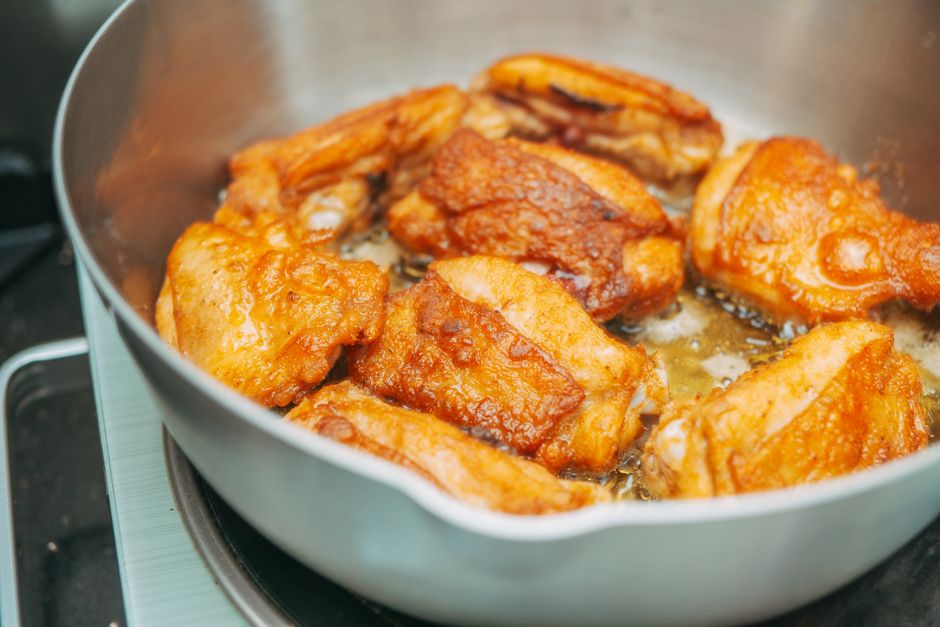
Photo by FOX on Pexels
6. Chicken Thighs (Not Breasts) — The Budget Meat Pick
Everyone always says "chicken breast" when they talk about high-protein eating on a budget. But honestly, bone-in chicken thighs are the smarter buy. They're cheaper per pound, harder to overcook, and — let's be real — they taste better. Bone-in, skin-on thighs regularly sell for $1.50–$2.50 per pound at most grocery stores, while boneless chicken breasts can run $3–$5 per pound depending on sales and region.
A 3 oz serving of cooked chicken thigh delivers about 22–25 grams of protein. Buy a family pack, bake a big tray on Sunday, and you've got protein for four or five meals. That's meal prep 101, and it doesn't get more budget-friendly than this.
7. Greek Yogurt — Protein-Packed and Surprisingly Affordable
Greek yogurt has roughly twice the protein of regular yogurt — a 5–6 oz serving typically packs 12–17 grams of protein depending on the brand. Store-brand plain Greek yogurt runs about $0.50–$0.80 per serving at most grocery stores, making it one of the most cost-effective dairy protein sources you can buy.
Go with plain, unsweetened Greek yogurt — the flavored versions are often loaded with added sugar and cost more. Add your own honey, berries, or granola and you've got a better product for less money. Greek yogurt also works as a sour cream substitute in cooking, which is another sneaky way to stretch your budget.
8. Cottage Cheese — The Underrated One
Cottage cheese has had a bit of a cultural moment recently, and for good reason — it's one of the cheapest high-protein foods at the grocery store. A 16 oz container of low-fat cottage cheese runs about $2.50–$3.50 and delivers roughly 50–55 grams of protein for the whole container. That's about $0.05–$0.07 per gram of protein, which is genuinely excellent value.
From what I can see, cottage cheese is one of those foods people either love or avoid — but if you're on a tight budget and need protein, it's worth giving it another shot. It's mild enough to blend into smoothies without much taste, and it works great as a topping on baked potatoes or stirred into pasta sauces for a protein boost.
Quick Reference: How These Proteins Stack Up
| Food | Approx. Price | Protein per Serving |
|---|---|---|
| Eggs (1 dozen) | $3–$5 | 6g per egg |
| Canned tuna (5 oz) | $0.95–$1.25 | ~25–30g per can |
| Dried lentils (1 lb bag) | $1.40–$1.80 | 18g per cooked cup |
| Canned beans (15 oz) | $0.85–$1.50 | ~21–25g per can |
| Peanut butter (16 oz) | $2.50–$3.50 | 7–8g per 2 tbsp |
| Chicken thighs (bone-in) | $1.50–$2.50/lb | ~22–25g per 3 oz |
| Greek yogurt (5–6 oz) | $0.50–$0.80/serving | 12–17g per serving |
| Cottage cheese (16 oz) | $2.50–$3.50 | ~50–55g per container |
How to Build High-Protein Meals on a Budget
The biggest mistake people make is treating protein as an afterthought. Instead, build every meal around one cheap protein source, then fill the rest of the plate with rice, potatoes, pasta, or vegetables — all of which are extremely affordable and make the protein go further.
Some combinations that work incredibly well:
- Lentils + rice — complete protein, costs under $0.50 per serving, and keeps you full for hours
- Eggs + toast — fast, cheap, high-protein breakfast that takes 5 minutes
- Tuna + canned beans — throw them together in a bowl with some olive oil and vinegar for an easy, high-protein salad
- Chicken thighs + any vegetable — bake a tray of thighs on Sunday and you're set for the week
- Peanut butter + oatmeal — a genuinely filling breakfast for under $0.60
Want to see exactly how to build full weeks of meals around these ingredients? We put together a realistic plan for how to eat healthy on $50 a week that leans heavily on these cheap protein sources.
A Few Bonus Options Worth Knowing
Edamame (frozen): About $2 for a 12 oz bag, and one cup of shelled edamame delivers 18 grams of complete protein — one of the few plant foods that qualifies as a complete protein source. Great as a snack or tossed into stir-fries.
Milk: A half-gallon of conventional whole milk runs about $2.50–$3.50 and gives you around 8 grams of protein per cup. If you're already buying milk, that protein adds up throughout the day without any extra cost.
Sardines: The most underrated canned fish. A tin of sardines costs about $1.50–$2.50 and is loaded with protein, omega-3s, and calcium (because you eat the tiny bones). The taste is more intense than tuna, but they're nutritionally excellent and even cheaper on a protein-per-dollar basis.
The Bottom Line
You do not need to spend a lot of money to eat enough protein. Eggs, canned tuna, lentils, beans, and chicken thighs are all genuinely excellent protein sources that you can find at any grocery store for very little money. The expensive stuff — steak, fresh salmon, protein bars — is entirely optional.
Build your meals around the cheap stuff, rotate through a few different options so you don't get bored, and stock up when things go on sale. That's really all there is to it. Your muscles won't know the difference between a $1 can of tuna and a $12 steak — but your bank account definitely will.
Written by David Carter | savemoneysimple.com
Enjoyed this article?
Get practical money-saving tips delivered to your inbox — no spam, no fluff.


Comments
Post a Comment