Capsule Wardrobe on a Budget: Look Great for Less
Capsule Wardrobe on a Budget: Look Great for Less

Photo by Arina Krasnikova on Pexels
The average American spends around $1,700 a year on clothes — and still stands in front of a full closet every morning thinking, "I have nothing to wear." If that hits a little close to home, a capsule wardrobe might be the most refreshing thing you do for your wallet this year.
And no, building one does not require a shopping spree at Nordstrom. Here's exactly how to build a capsule wardrobe on a budget — from scratch, without losing your mind.
What Is a Capsule Wardrobe (And Why Should You Care)?
A capsule wardrobe is a curated collection of 25–35 versatile, interchangeable pieces that work together to create dozens of outfits. The concept dates back to the 1970s, when London boutique owner Susie Faux coined the term. The idea is simple: fewer clothes, more outfit options, zero decision fatigue.
Instead of chasing trends every season and filling your closet with stuff you wear twice, you build a tight collection of pieces that work for work, weekends, errands, and everything in between. Everything mixes. Nothing is wasted.
The goal isn't to own less for the sake of it — it's to own the right things. And the bonus? You spend way less money in the long run.
Step 1: Audit What You Already Own
Before you spend a single dollar, go through your closet. Pull everything out — yes, including that stuff buried in the back. Sort it into three piles: Keep, Donate, and Toss.
Keep only what fits well right now, is in good condition, and matches at least 3 other things you own. If you have to think too hard about whether something "works," it doesn't.
From what I can see, most people already own 60–70% of a decent capsule wardrobe. They just can't see it because it's buried under 40 impulse buys and a collection of "maybe someday" pieces. The audit usually reveals you need to buy way less than you thought.
Once you've sorted, you'll have a clear list of gaps — the specific pieces you actually need. That list is your shopping guide. Don't deviate from it.
And those donated clothes? Sell them first. Platforms like Poshmark, ThredUP, or Facebook Marketplace can turn your old clothes into budget for your new capsule. Check out our guide on how to sell stuff you don't need and actually make money before you drop anything off at Goodwill.
Step 2: Pick Your Color Palette (This Is Not Optional)
This is the secret weapon of a capsule wardrobe on a budget. If every piece works in the same color family, everything mixes automatically. You never buy something that "only goes with that one shirt."
The classic approach: pick 2–3 neutral base colors (black, white, navy, grey, camel, beige) and 1–2 accent colors you genuinely love. Build everything around that palette.
Popular Budget-Friendly Palette Combos
| Palette | Base Colors | Accent |
|---|---|---|
| Classic | Black, white, grey | Navy or red |
| Earthy | Camel, cream, brown | Olive or rust |
| Minimal | White, grey, navy | Sage green or blush |
| Warm Neutral | Beige, cream, tan | Burgundy or deep blue |
Once you commit to a palette, shopping gets dramatically easier. You stop buying random things that "kind of go" with something and start building a wardrobe that just… works.
Step 3: Build Your Core Capsule — The 25-Piece Formula
There's no magic number, but 25–30 pieces is a sweet spot that gives you enough variety without overwhelming your budget. Here's a realistic breakdown for everyday American life (work, errands, casual, occasional nights out):
Tops (8 pieces)
- 3 basic tees (white, grey, black)
- 1 white button-down shirt
- 1 lightweight sweater or crew-neck pullover
- 1 fitted long-sleeve tee
- 1 casual blouse or patterned top (your accent color)
- 1 tank top for layering
Bottoms (5 pieces)
- 1 pair of dark wash jeans
- 1 pair of casual trousers or chinos
- 1 pair of black pants (dress up or down)
- 1 casual skirt or shorts (depending on your lifestyle)
- 1 pair of leggings or joggers (be honest with yourself)
Layers (4 pieces)
- 1 classic denim jacket
- 1 blazer or structured jacket
- 1 cardigan
- 1 winter coat or versatile outerwear
Shoes (3 pairs)
- 1 pair of white or neutral sneakers
- 1 pair of versatile flats, loafers, or low heels
- 1 pair of ankle boots or casual shoes
Dress/One-Piece (1–2 pieces)
- 1 casual day dress
- 1 simple black dress (the all-time Swiss Army knife of fashion)
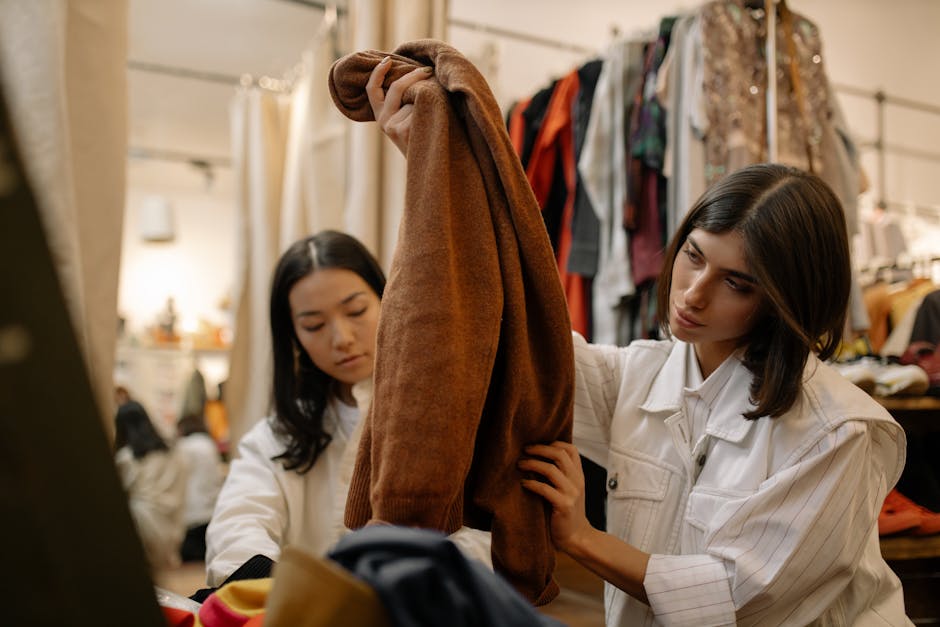
Photo by cottonbro studio on Pexels
Step 4: Shop Smart — Where to Actually Buy on a Budget
This is where a lot of budget capsule wardrobe guides go sideways. They tell you to "invest in quality" and then suggest $90 linen trousers from a slow-fashion brand. Great philosophy, terrible advice for someone working with $150 to spend.
Here's the honest breakdown of where to shop depending on your budget:
🥇 Thrift Stores and Secondhand — Your Best Friend
This is genuinely the smartest move. A pre-loved luxury retailer found that secondhand clothes are 33% cheaper per wear than new fast fashion items in the long run. Goodwill, ThredUP, Poshmark, Depop, and local consignment shops are goldmines for capsule basics. I've found perfect blazers for $6 at Goodwill. Perfectly worn-in denim jackets for $8. It takes patience, but the payoff is real.
🥈 Budget-Friendly Retailers for Basics
For brand-new basics that are hard to find secondhand (like white tees and underwear), these retailers deliver solid value:
- Uniqlo — Consistently good quality for the price. Their basics last for years. A classic crewneck runs about $25–$35.
- H&M — Reliable for affordable basics. Stick to solid colors and simple cuts, not trend pieces.
- Target (A New Day / Universal Thread) — Genuinely underrated for affordable, decent-quality capsule pieces.
- Old Navy — Great for denim and casual basics, especially during their frequent 40–50% off sales.
- Amazon Essentials — Decent for budget basics like tees and casual pants. Read reviews carefully.
🥉 Outlet Stores and Clearance Sections
Don't sleep on end-of-season clearance racks. January and July are the best months for deep discounts on exactly the kind of neutral, timeless pieces that belong in a capsule. A navy blazer marked down 60% in January is still the same blazer — just cheaper.
Step 5: Build It Slowly — Don't Try to Do It All at Once
One of the biggest mistakes is treating a capsule wardrobe as a one-time shopping event. It's not. Trying to buy 25 pieces at once will either blow your budget or force you into panic-buying things that don't actually fit your life.
The better approach: Start with 5–8 foundation pieces you already own or can source cheaply. Wear them for a few weeks. Pay attention to what's missing in your daily routine. Then fill the gaps one piece at a time.
This "wear before you buy" method does something powerful — it shows you what you actually need instead of what you think you need. I've gone through this process and been shocked to realize I wore the same 8 pieces on rotation anyway. The rest was just clutter I kept "just in case."
Building slowly also keeps your budget intact. Spending $20–$30 a month on one thoughtful piece beats a $300 haul where half the stuff turns out to be wrong.
What a Realistic Budget Actually Looks Like
Let's get specific, because "capsule wardrobe on a budget" means different things to different people. Here's a rough breakdown of what you might spend building a 25-piece capsule from scratch, mixing thrift and budget retail:
| Category | Thrift Budget | Budget Retail |
|---|---|---|
| 8 tops | $24–$40 | $80–$120 |
| 5 bottoms | $20–$40 | $75–$120 |
| 4 layers | $20–$50 | $80–$150 |
| 3 pairs of shoes | $20–$45 | $80–$150 |
| 2 dresses | $10–$20 | $40–$80 |
| Total (approx.) | $94–$195 | $355–$620 |
Even at the higher end, $355–$620 is a fraction of what the average American spends on clothes annually — and this wardrobe is designed to last years, not one season. Compare that to $1,700 a year on random purchases, and the math starts looking very different.
The Capsule Wardrobe Mindset Shift That Changes Everything
The hardest part of building a capsule wardrobe on a budget isn't the shopping. It's the mental shift from "more is more" to "better is better."
We're conditioned to think a full closet means more options. But more options don't help when nothing actually goes together. A capsule wardrobe on a budget works because every single piece was chosen to work with the others. You pull anything out and it fits your life.
The side effects are surprisingly nice too: faster mornings, less laundry piled up, and way less guilt about clothes you never wear. If you want to go deeper on the minimalism side of this, our ultimate guide to saving money in 2026 covers how intentional spending across every category adds up to real financial freedom.
Start Small. Think Long.
You don't need a lot of money to build a capsule wardrobe. You need a clear list, a color palette, some patience at the thrift store, and the discipline to stop buying things that don't fit the plan.
Start with what you already own. Fill the gaps slowly. And the next time you open your closet in the morning, you'll actually be glad for what's in it.
Turns out, having less really can feel like having more. Who knew fashion and frugality could get along this well?
Written by David Carter | savemoneysimple.com
Enjoyed this article?
Get practical money-saving tips delivered to your inbox — no spam, no fluff.


Comments
Post a Comment