Frugal vs. Cheap: What's the Real Difference?
Frugal vs. Cheap: What's the Real Difference?

Photo by Vitaly Gariev on Pexels
Someone calls you frugal and you smile. Someone calls you cheap and you want to argue about it for the rest of dinner. Both words describe saving money — so why do they feel so different?
It turns out, frugal living and being cheap are genuinely not the same thing. The difference comes down to mindset, and once you see it, you can't unsee it.
The Simple Frugal vs. Cheap Definition
Here's the short version: frugal people spend less so they can get more. Cheap people just spend less — full stop, no deeper reason required.
A frugal person cuts back on things they don't care about so they can spend on the things they do. They're not against spending money — they're against wasting it. A cheap person, on the other hand, treats all spending as the enemy. The goal isn't value. The goal is a smaller number on the receipt, no matter what.
Merriam-Webster defines "frugal" as being careful and prudent with money. "Cheap" in contrast often carries the meaning of stingy — someone unwilling to spend even when spending makes sense. Same bank account behavior on the surface. Very different story underneath.
The Real Frugal Living vs. Cheap Living Difference: Mindset
Frugality is a filtering system. It asks: "Does this purchase add real value to my life?" If yes, great — pay for it. If no, skip it. Simple.
Cheapness is a single rule: spend as little as possible. There's no filter, no weighing of value — just a reflexive resistance to spending anything at all.
Here's a real-world example. Say you need a winter coat. A frugal person researches options, waits for an end-of-season sale, and buys a well-made coat that'll last a decade for $80 down from $200. A cheap person buys the $25 coat from a clearance bin, replaces it every two winters, and quietly spends more over time. The frugal person spent more upfront. The cheap person spent more overall. This is what people mean by "buy nice or buy twice."
From what I can see, the people who exhaust themselves chasing the lowest price on everything tend to end up with closets full of stuff that doesn't work well and drawers full of regret. Frugality is actually the more relaxed approach — you just decide what matters, spend wisely there, and stop worrying about everything else.
Frugal vs. Cheap: Side-by-Side
| Situation | Frugal | Cheap |
|---|---|---|
| Buying a coat | Waits for a sale on a quality brand | Buys the cheapest one, replaces it every year |
| Eating out | Budgets for dining out they'll enjoy | Calculates tax and tip before ordering, skips dessert |
| Gift-giving | Thoughtful, within budget | Spends as little as humanly possible, or regifts |
| Utilities | Turns the thermostat down a few degrees | The whole family freezes all winter |
| Vacation | Books off-peak, finds deals, still goes | Refuses to spend on experiences at all |
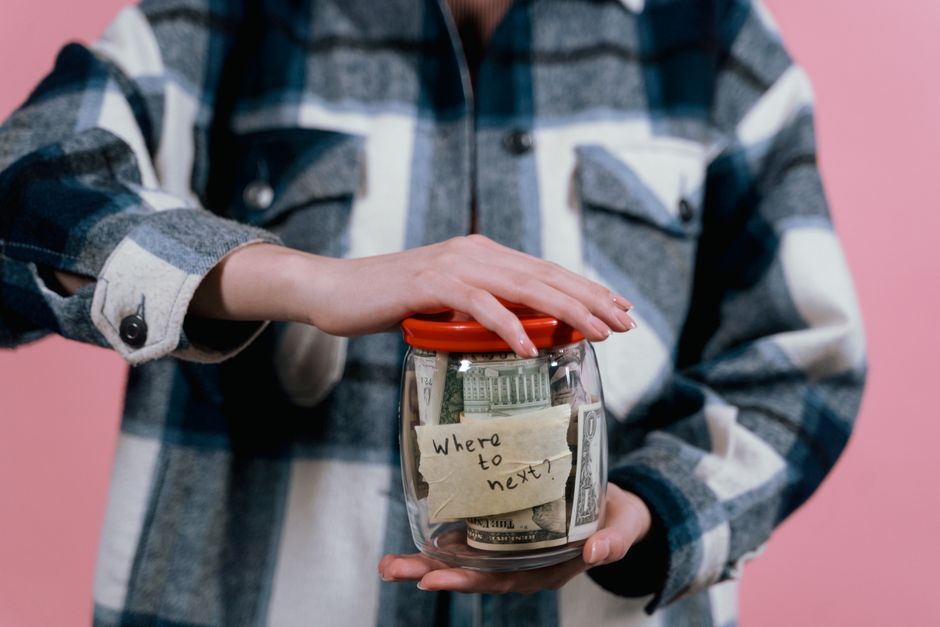
Photo by Tima Miroshnichenko on Pexels
When Being Cheap Actually Costs You More
Here's the thing nobody tells you about cheapness: it's expensive. Not always immediately, but over time, the math catches up.
A cheap pair of shoes at $20 that falls apart in three months costs $80 a year. A frugal pair at $65 that lasts four years costs about $16 a year. The "expensive" purchase was the cheaper one.
This plays out in health, too. Skipping preventive care to avoid a $30 copay can lead to a much larger bill down the road. Buying the cheapest produce and hating it leads to more takeout orders. Cutting corners on a mechanic check leads to a $900 breakdown. Cheap decisions feel thrifty in the moment and punishing over time.
A survey by investment app Moomoo found that frugal living is the third most popular goal for achieving financial stability — right behind investing and paying off credit card debt. People aren't choosing frugality because it's restrictive; they're choosing it because it actually works, long-term.
The Relationship Test: How Cheapness Hurts People Around You
This is the part nobody wants to hear, but it matters. Frugality is invisible — nobody really notices when you cook at home instead of going out, or when you buy your clothes second-hand. It doesn't affect anyone else.
Cheapness is very visible. It shows up when you stiff the waiter, when you show up empty-handed to a dinner party, when you argue about splitting a bill to the cent, or when you give your nephew a regifted candle at Christmas. People notice. It strains relationships in ways that have nothing to do with money.
A frugal person can still be generous. They save in areas that don't matter to them so they can afford to be warm and giving in the moments that do. That's the whole point — freedom to spend on what you value. A cheap person often ends up being stingy even with people they care about, which is where frugality ends and something less admirable begins.

Photo by Elina Sazonova on Pexels
Signs You're Frugal (Not Cheap)
Not sure which side of the line you're on? Here are the green flags of genuine frugality:
- You spend less in some areas so you can spend more in others. You pack your own lunch five days a week so you can afford that concert you've been eyeing. That's frugal — not depriving yourself, just redirecting.
- You consider cost-per-use, not just price. A $120 cast iron skillet you'll use every week for 20 years costs about a penny per use. The $15 non-stick pan you toss after eight months? More expensive, actually.
- You can let go of a deal. Frugal people don't spiral when they miss a sale or when things cost more than expected. They assess, decide, and move on. Cheap people agonize.
- You tip generously. This one is a classic tell. A frugal person tips well — because they understand the value of someone else's time and work. A cheap person calculates the minimum.
- Your spending matches your values, not someone else's. You don't care about a new car, so you drive an old one. But you care deeply about travel, so you save for it. That intentionality is the core of frugal living.
How to Be Frugal Without Crossing Into Cheap
The good news: if you've been leaning cheap, it's a mindset shift, not a lifestyle overhaul. A few simple reframes go a long way.
Switch from "I can't afford this" to "I'm choosing not to spend here." This is huge. One comes from scarcity — a feeling that money controls you. The other comes from intention — you control your money. Same result, totally different internal experience.
Ask "what's the total cost of ownership?" Before buying something cheap, run the math on how long it'll last and how often you'll replace it. Sometimes the cheap thing wins. Often it doesn't.
Set "splurge categories" on purpose. Decide in advance what you genuinely enjoy and budget for it. This removes the guilt from spending in areas you care about, which means you're not white-knuckling every dollar — you're just smart about where it goes.
If you're looking for places to start, our guide on frugal living tips that actually work covers the practical side of this — specific areas where cutting back genuinely doesn't hurt your quality of life. And if the idea of saving money still feels like deprivation, the article on ways to save money without feeling deprived is worth a read.
So — Which One Are You?
Here's the honest truth: most of us are a mix of both, depending on the day and the purchase. Nobody bats frugal 100% of the time, and almost nobody is purely cheap without any redeeming logic behind it.
But the direction matters. Are you moving toward intentional spending — where your money reflects what you actually value? Or are you sliding toward reflexive avoidance — where no price ever feels right and spending always feels like losing?
Frugality is a superpower. Cheapness is a trap. The difference is just one question: what do you actually want your money to do for you?
Written by David Carter | savemoneysimple.com
Enjoyed this article?
Get practical money-saving tips delivered to your inbox — no spam, no fluff.


Comments
Post a Comment